
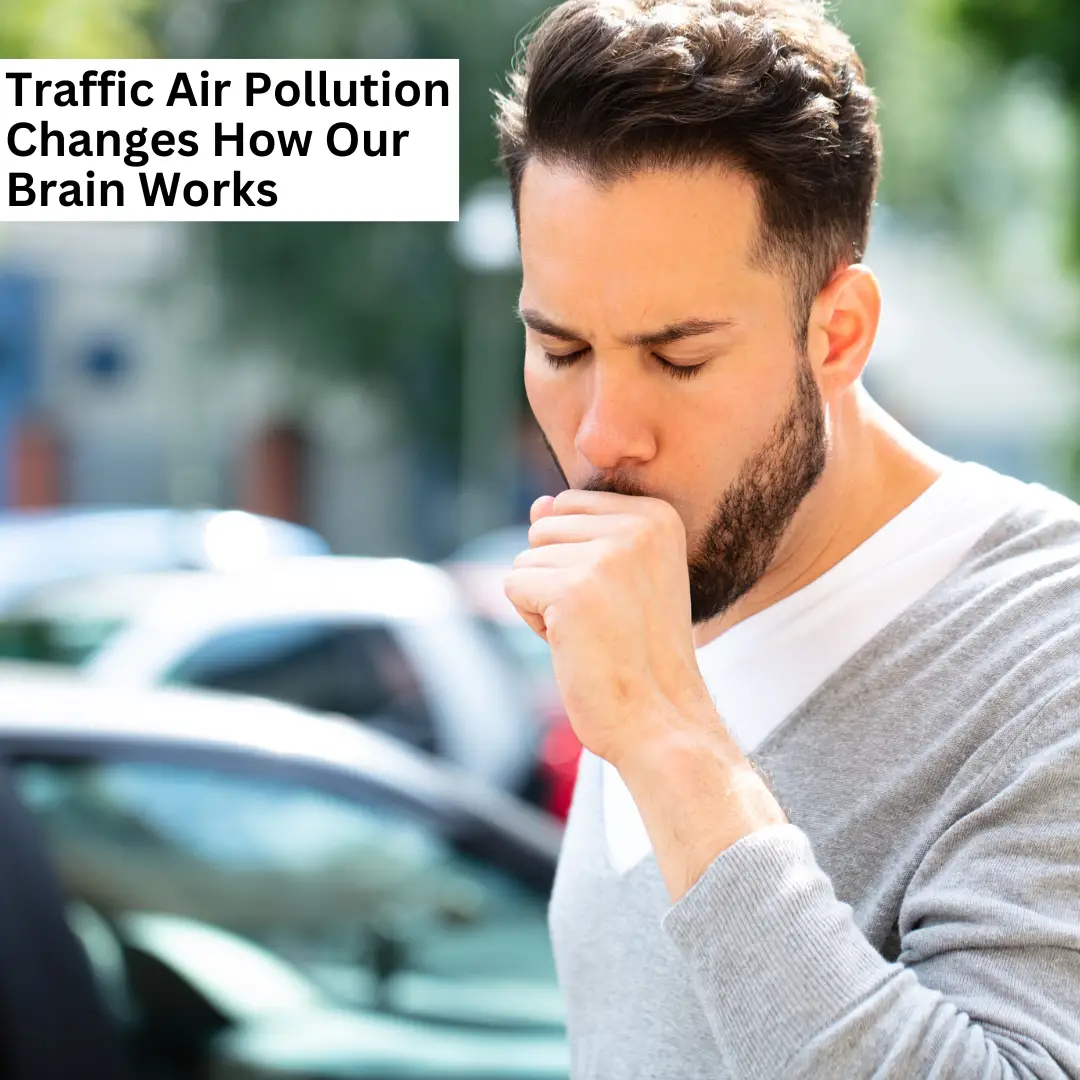
Exposure to traffic-related air pollution (TRAP) has been associated with adverse health effects, particularly cardiovascular and respiratory, for many years. However, recent research suggests that TRAP may also have a significant impact on the central nervous system.
A new study has found that breathing in pollution from traffic (TRAP) can affect the way the brain works.
The study, published in the journal Environmental Health, was the first time scientists tested how TRAP affects people. They exposed 25 adults to diesel fumes and compared them to people who breathed in clean air after doing some light exercise. They then used fMRI brain scans to see how their brains worked before and after breathing in the air.
The results showed that breathing in polluted air from traffic made changes in the way the brain worked. The pollution reduced how well different parts of the brain worked together, effectively reducing the brains functional connectivity.
The study, developed as a collaboration between the University of British Columbia and the University of Victoria, has important implications for public health.
Dr Carlston says “Air pollution is now recognized as the largest environmental threat to human health”.
Especially since TRAP is estimated to cause approximately five million deaths worldwide each year.
The study’s lead author emphasized the need for further research to support their data and provide evidence of how our specific body systems are affected.
The study’s findings also highlight the importance of air pollution mitigation strategies, particularly in urban areas where TRAP is prevalent. The researchers suggest that policymakers should consider the potential impact of air pollution on brain health when developing air quality regulations and interventions.
Overall, the study adds to the growing body of evidence suggesting that air pollution may have significant impacts on human health beyond cardiovascular and respiratory effects.
So next time you’re sitting in traffic, maybe roll up your window.