Recent Posts
-
Why Does My AC Smell Like Vinegar?
Air conditioning units have played a significant role in upgrading our lifestyles. They help us beat the scorching summer heat, reduce humidity, and enjoy better air quality. However, as with other machines, an underlying problem with your AC might cause it to smell bad. People, for instance, often complain about their AC units emitting a…
-
Fishy Business: Why Does My House Smell Like Fish?
Unusual odor in the house is not just uncomfortable but can also be indicative of toxic gas leaks and other dangerous circumstances. The constant fish-like smell is a common complaint, and while you may think of spoiled food as its source, multiple other reasons may be lying at the root of the problem. The fish…
-
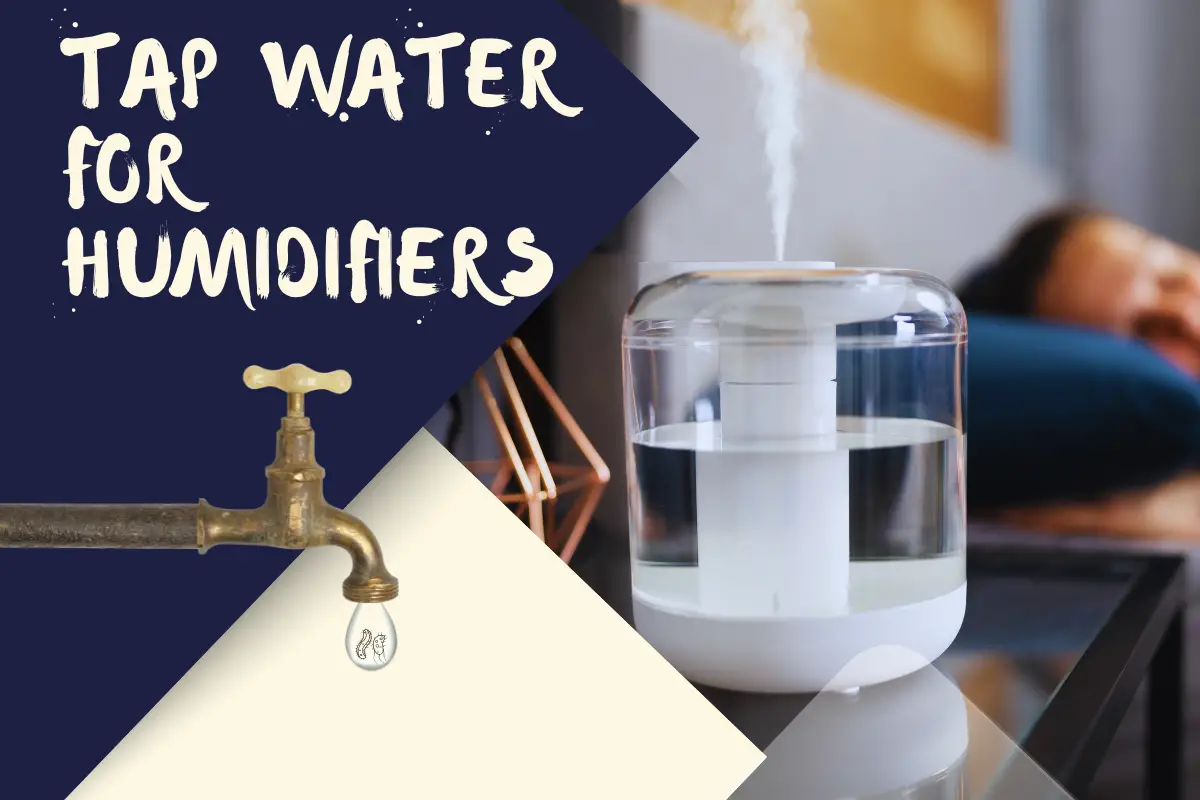
The Do’s and Don’ts of Using Tap Water in Your Humidifier
Tap water can be used in a humidifier, but it may lead to mineral buildup and the dispersal of minerals and potential contaminants into the air. The best alternatives to tap water for humidifiers are distilled or purified water, which help prevent these issues and maintain optimal performance. Imagine this scenario: it’s the middle of…
-
Why Your House Smells Like Bleach/Chlorine
Unless you live under a rock, you’re exposed to chlorine regularly when swimming, drinking water, or driving your vehicle. Besides, homeowners often use bleach-based disinfectants to kill viruses and bacteria in their homes. While a chlorine smell is common after cleaning, a bleach or chlorine smell can occur in your hoe for many reasons. Although…
-
Pee-yew! Why Does My AC Smell Like Urine?
Air conditioners are designed to boost your indoor air quality by providing cool and fresh air. So, experiencing an unpleasant odor after turning it on is nothing more than disappointment. Unfortunately, homeowners frequently complain about their units smelling like urine. Your air conditioning unit may emit urine/ammonia smells due to mold buildup, dirty AC filter,…
-
Why Your House Smells Like A Sewer: Causes And Solutions
A nasty odor from rotten food, garbage cans, and smoke isn’t uncommon. But they are easier to tackle and take a minute to eliminate. A few stubborn smells, however, can make you nauseous and put your well-being at risk. One such noxious odor is that of sewerage. But where does it stem from? Sewerage smell…
-
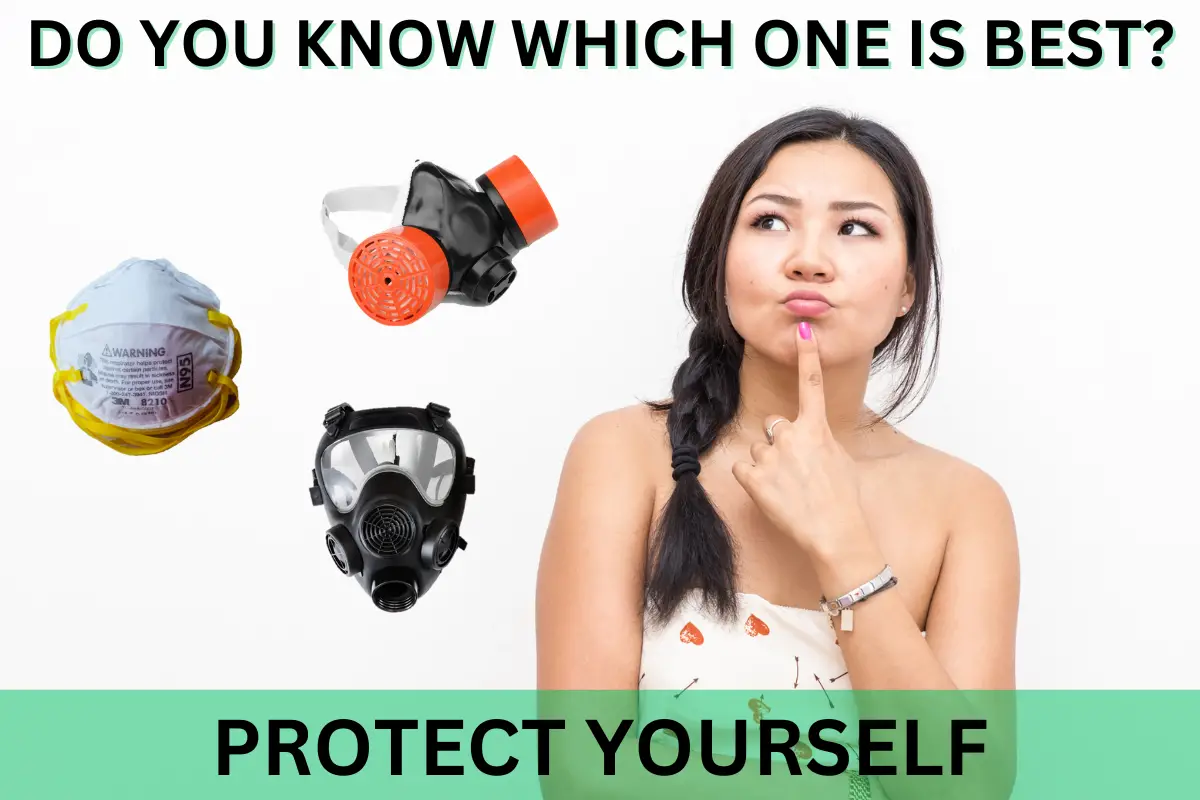
Masks Or Respirators For Cleaning Mold – Know The Difference
Whether in the form of fuzzy green patches under your kitchen sink or black slimy spots near your shower drain, unsightly mold wreaks havoc on your health and home. Any mold you notice should be removed it, but you need to wear a mask to prevent mold spores from entering your body. An N95 face…
-

Air Conditioners That Smell Like Rotten Eggs – Here’s Why
If you’re like most people, you probably dedicate hours every week maintaining your home and car. There’s nothing more disappointing than coming home or getting in your car on a hot day to discover your air conditioner smells like rotten eggs. A home or car air conditioner can smell like sulfur because of dead animals…
-
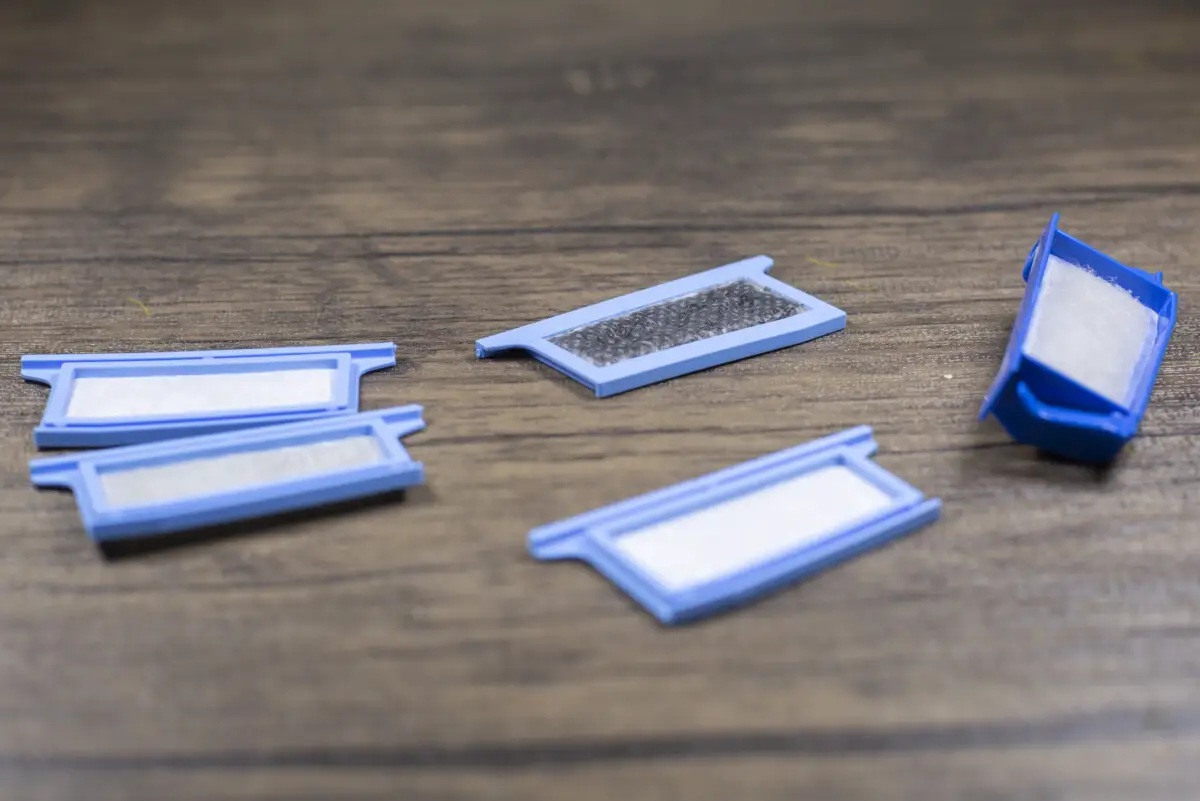
Why Your CPAP Filter Is Turning Black – And How To Fix It
Air entering a CPAP machine carries airborne contaminants that can cause the filter to turn black over time. Soot stains from candles and mold build-up due to high relative humidity can also make the filter black. CPAP machines deliver a continuous flow of pressurized air to help relieve respiratory disorders, especially sleep apnea. Since these…
-
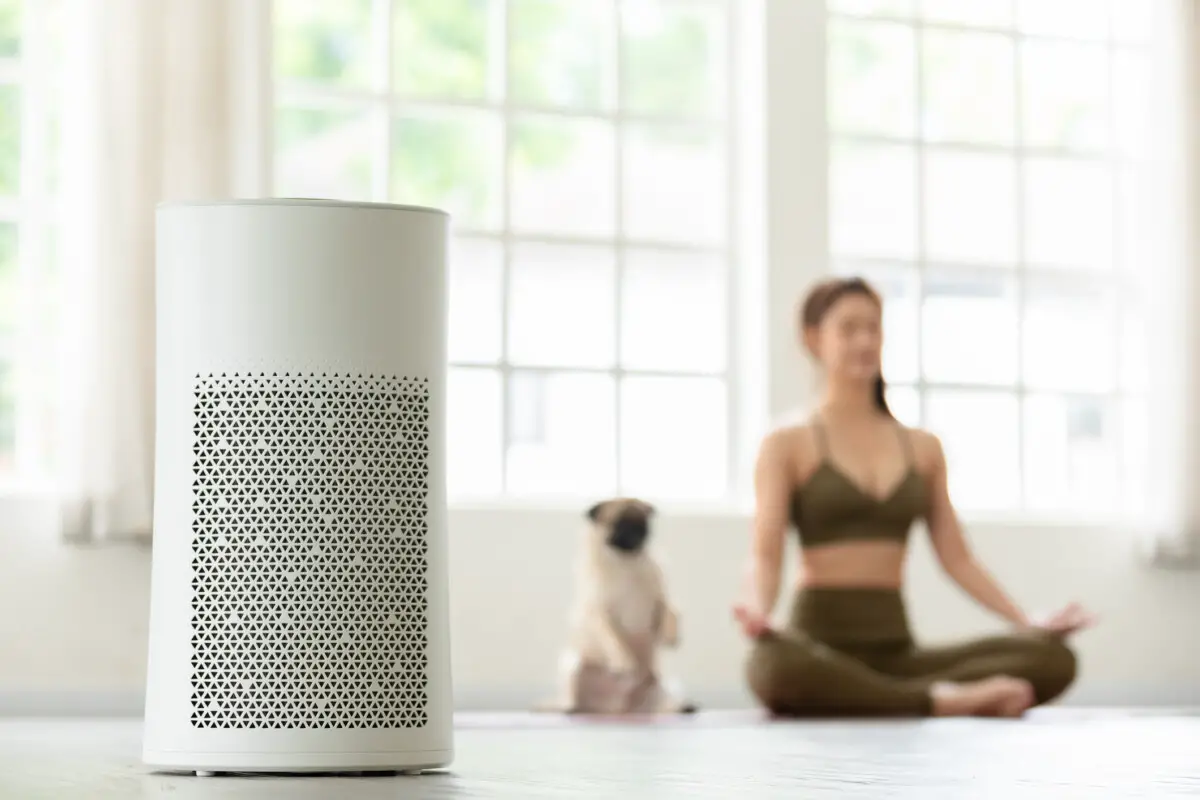
Do Air Purifiers Really Dehumidify – All You Need To Know
Air purifiers cannot dehumidify the air. Activated charcoal filters are the only filters in air purifiers that can absorb some moisture. However, their effect is not significant and does not alter humidity levels. Air purifiers are effective in trapping airborne contaminants and improving our air quality. Although not a contaminant, water is also in our…
-
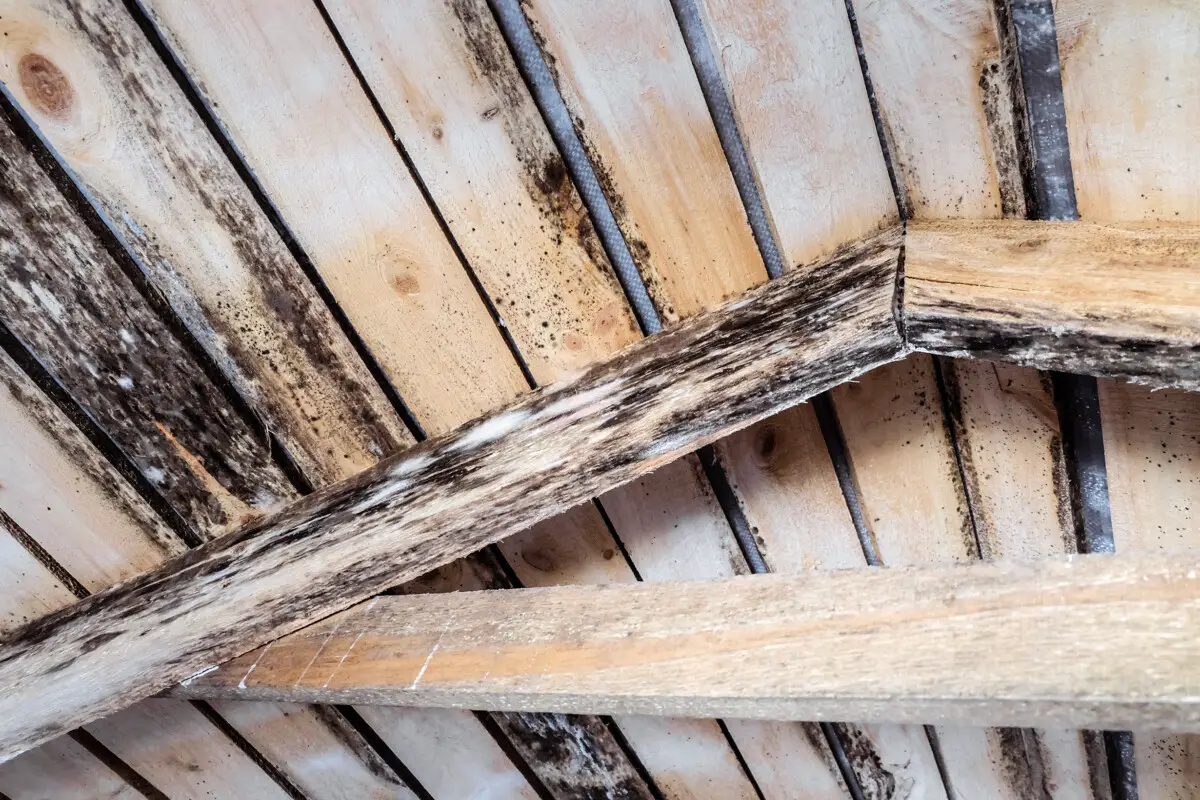
Can Whole House Fans Cause Mold – Humidity And Temperature
Whole house fans do not cause mold. Whole house fans ventilate and cool down the indoor environment. The eventual reduction in temperature and humidity helps restrict mold growth. Whole house fans are ideal for cooling and creating a comfortable indoor environment in otherwise hot and humid areas. However, since they are widely used but often…
-
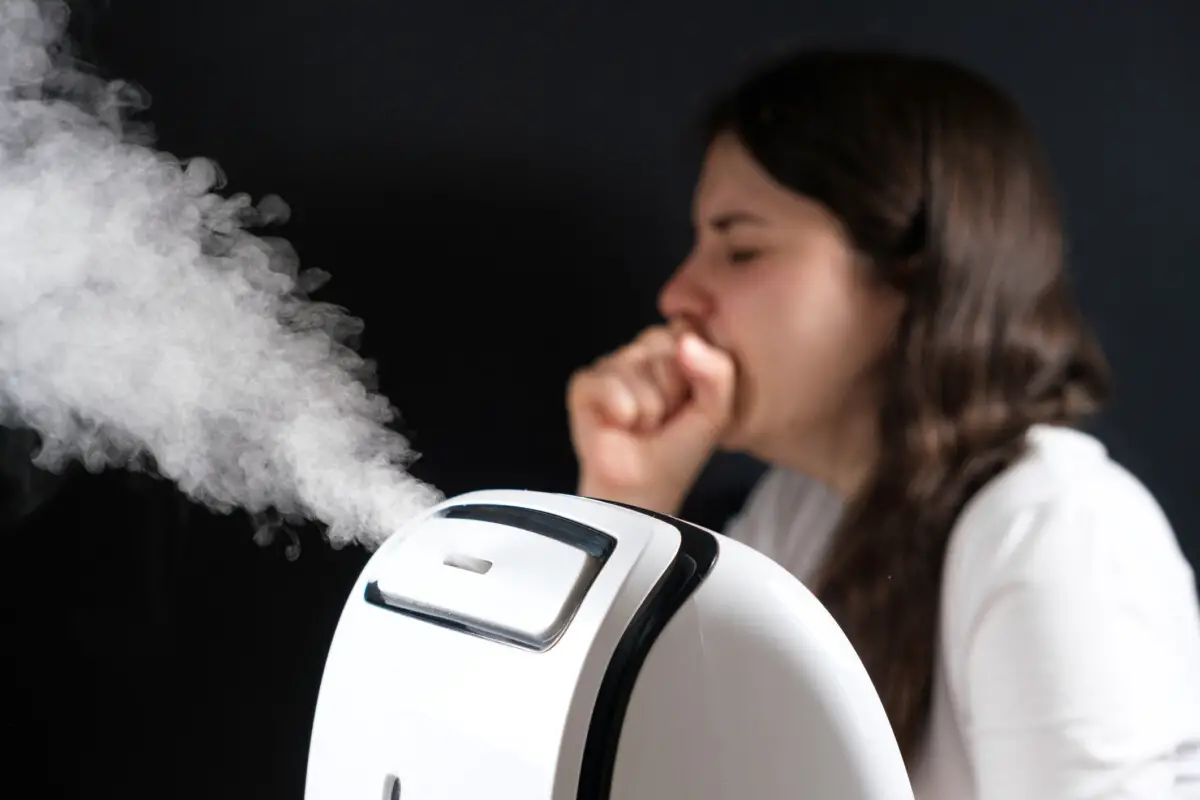
Do Humidifiers Kill Or Spread Germs – All You Need To Know
Humidifiers do not kill germs that are airborne. Poorly maintained cool mist humidifiers can breed and disperse bacteria and mold spores into the air and have been associated with inflammation of the lungs. Conversely, warm mist humidifiers can kill the germs present in the water tank, and do not disperse pollutants. Humidifiers are reliable appliances…
-
Air Purifiers That Remove Mycotoxins – And Those That Don’t
Mycotoxins are the primary pathogenic element responsible for mold infections. Given that, on average, we have 50,000 mold spores per cubic meter of space, mycotoxins are naturally concentrated in the air. As air purifiers trap airborne contaminants, one might question if they can remove mycotoxins from the air. Air purifiers with activated charcoal, titanium dioxide…
-
How Evaporative Coolers Cause Mold – And How To Prevent It
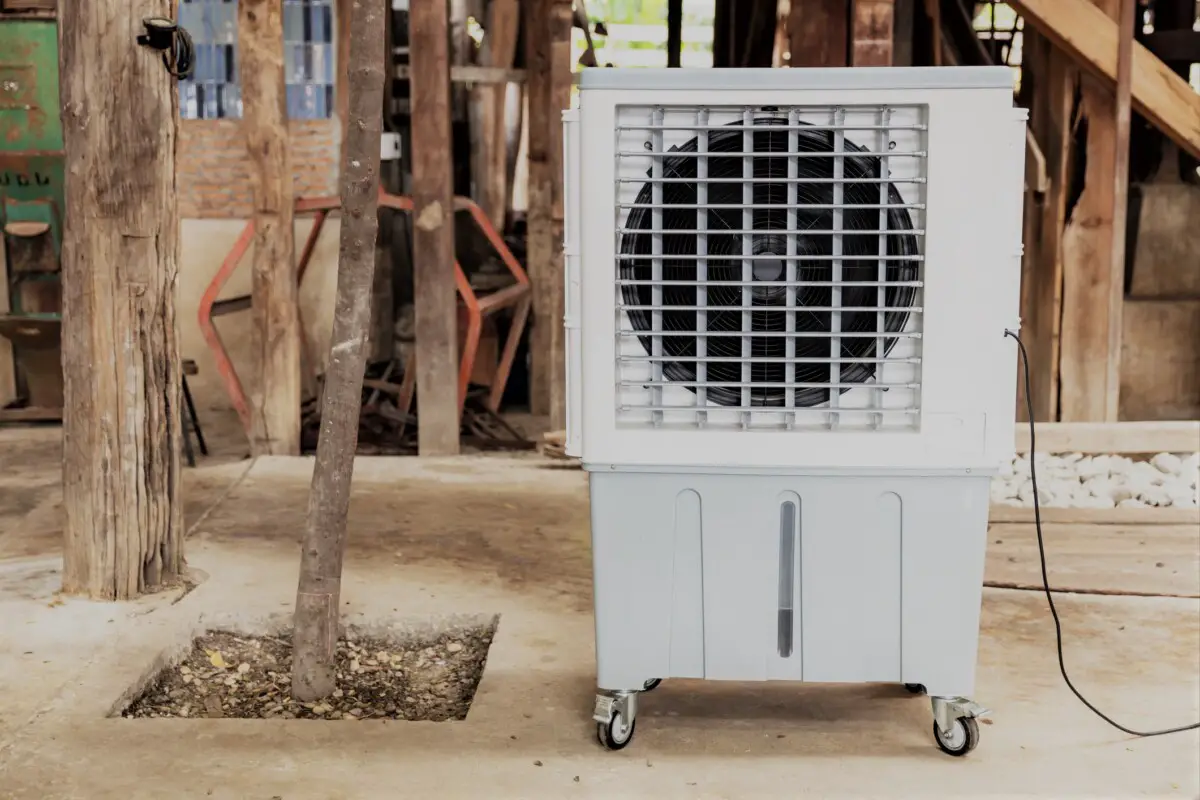
More than half of all American homes have mold issues. Since evaporative coolers can increase the moisture content in a room and mold thrive in humid environments, it makes sense to wonder if they grow or cause mold. Evaporative coolers can cause mold if the relative humidity is increased above 50%. This is more likely…
-
Do Humidifiers Cause Mold – Spores, Growths And Colonies
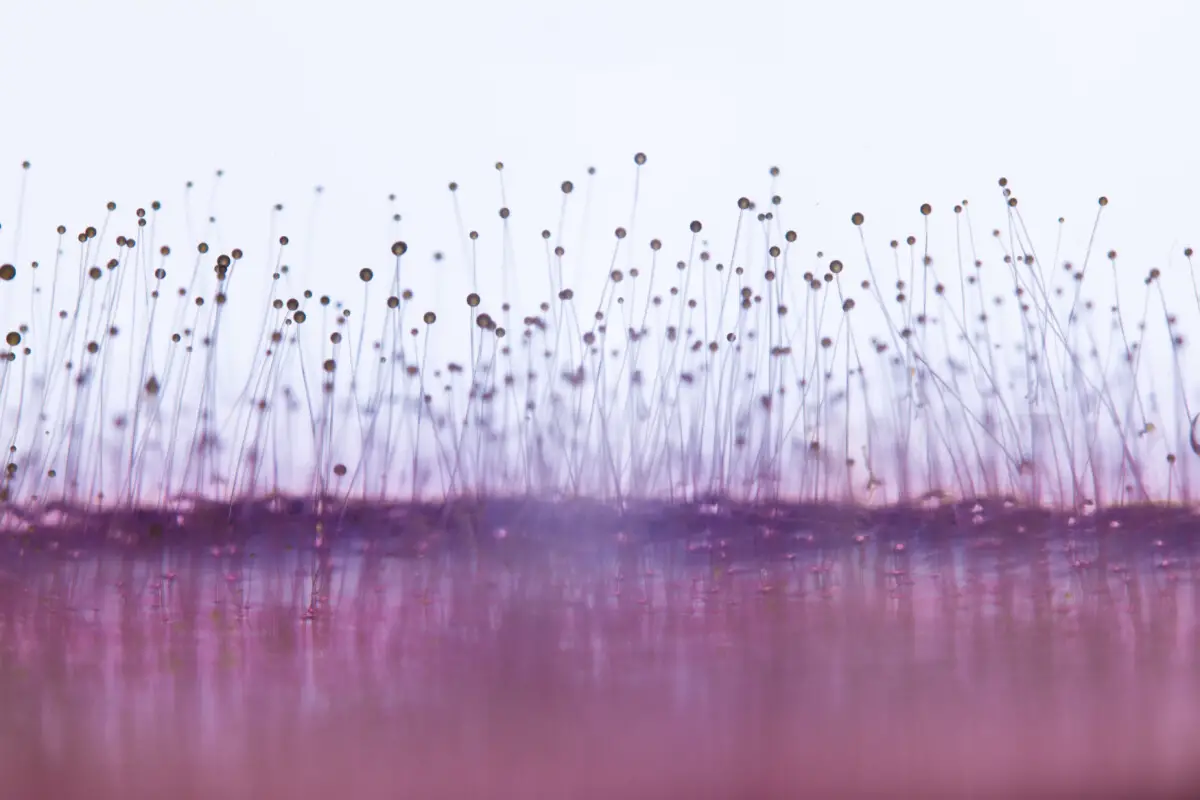
High humidity is often associated with damp problems in our homes and it is common to wonder if using a humidifier could potentially exacerbate the problem and cause mold to grow. High relative humidity caused by an inappropriate preset level or a faulty humidistat in a humidifier can cause mold in a room. Whereas, dirty…
-
Can Humidifiers Make You Sick – Infections And Pneumonitis
Around 45 million American use a humidifier to increase the moisture content in the air. Humidifiers are particularly essential in the wintertime, or in dry climates, for a comfortable environment. But do they have any adverse effects on health? Humidifiers can lead to health conditions, including microbial infections, sinus congestion, and humidifier lung by breeding…
-

6 Ways Humidifiers Breed Bacteria – And How To Prevent It
Humidifiers are essential to prevent an uncomfortable, dry environment. However, given their inflow of polluted air and use of an internal water reservoir, it is natural to question if they can potentially breed bacteria. Humidifiers that are irregularly cleaned, poorly maintained, or contain standing water for more than 2 days, can breed bacteria. Clogged or…
-
Yellow AC Filter – What Is It And How To Fix It
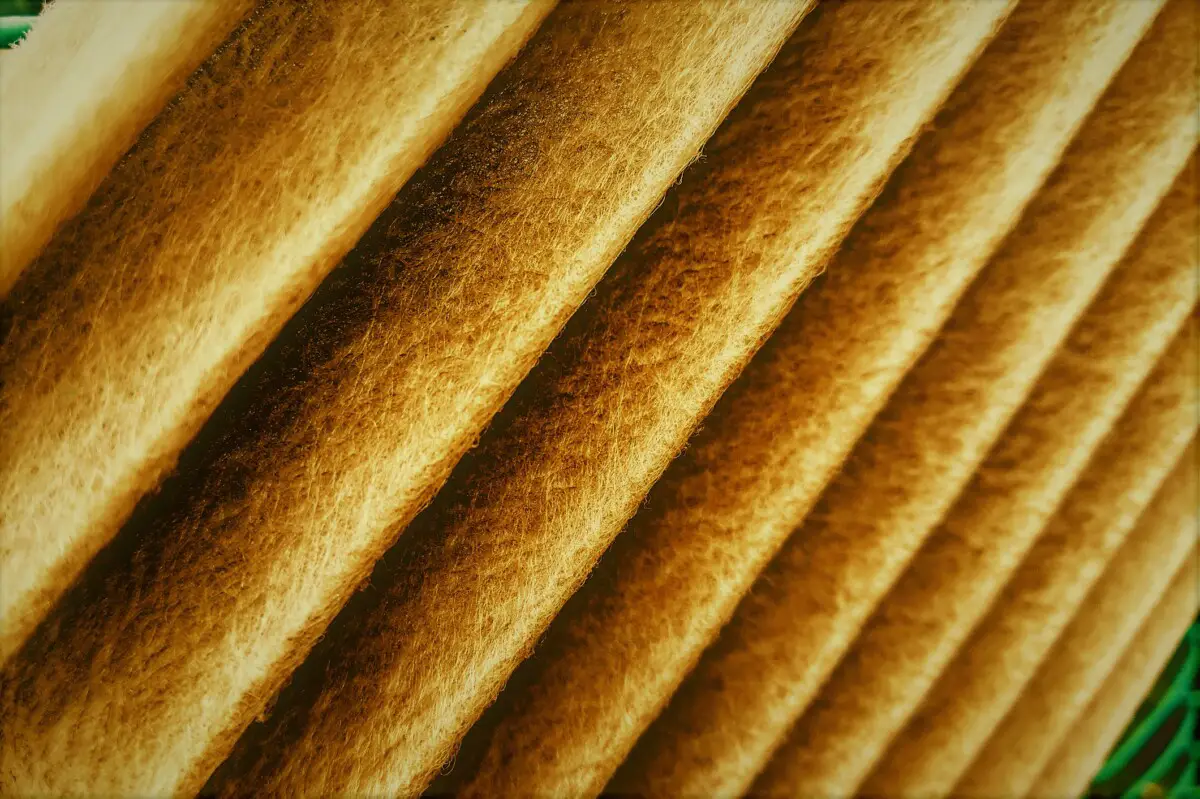
Across the United States, nearly 250 million people rely on air conditioning systems. However, when our AC or HVAC filter turns yellow, it’s time to switch off the system. An air conditioner (AC) or HVAC filter usually turns yellow because of yellow mold growths. But the type of air filter (e.g., Colorfil or MERV 13)…
-
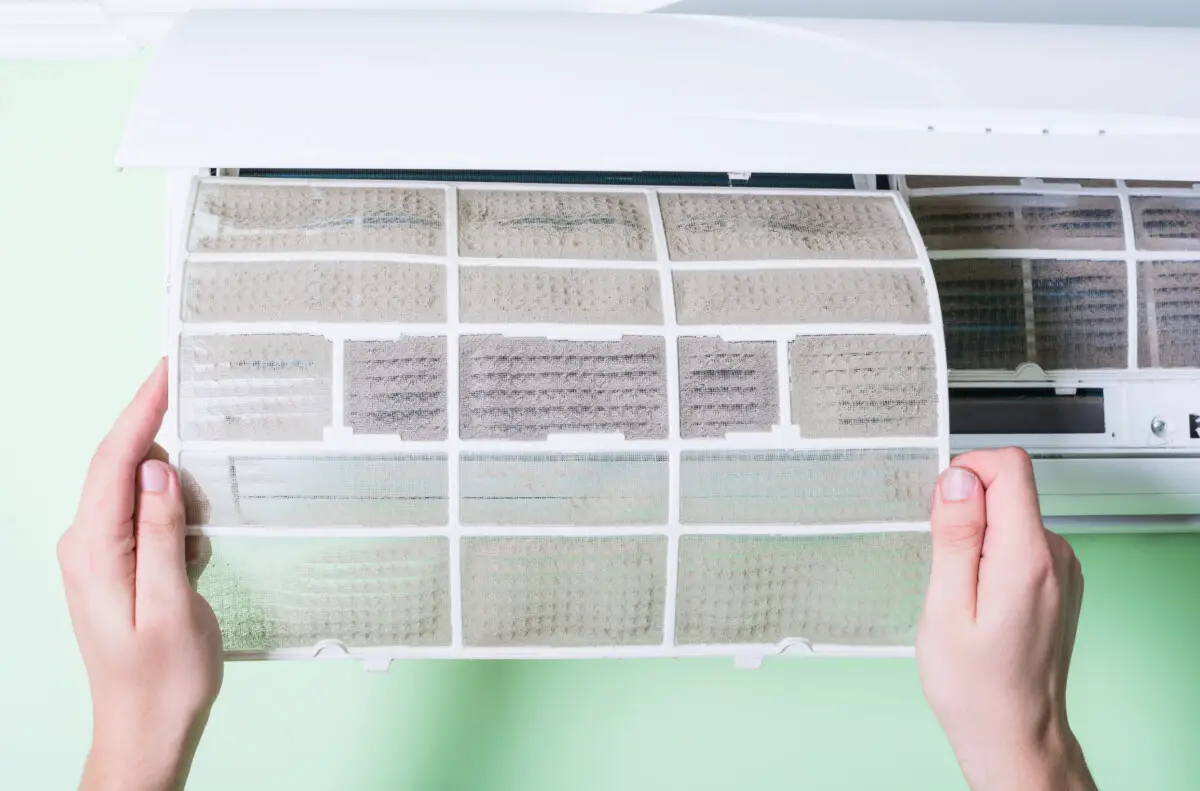
8 Reasons Why Your Air Conditioner Filter Is So Dirty
Around 250 million people in the United States use some form of air conditioning in their homes and workplaces. Overtime, AC filters can become so dirty you might wonder what could be causing the build up. An air conditioner filter can become excessively dirty because of leaky air ducts, mold or the fan settings. The…
-

Reasons Why Your Humidifier Smells – And How To Fix It
Humidifiers are a great way to maintain ideal humidity levels in the home or office. However, they can start emitting strange smells that require maintenance or cleaning to resolve. A humidifier can start smelling like urine, plastic, wet dog, chlorine, fish, mildew, sulfur or burning. The reasons for a humidifier producing strange odors include dirt,…
-
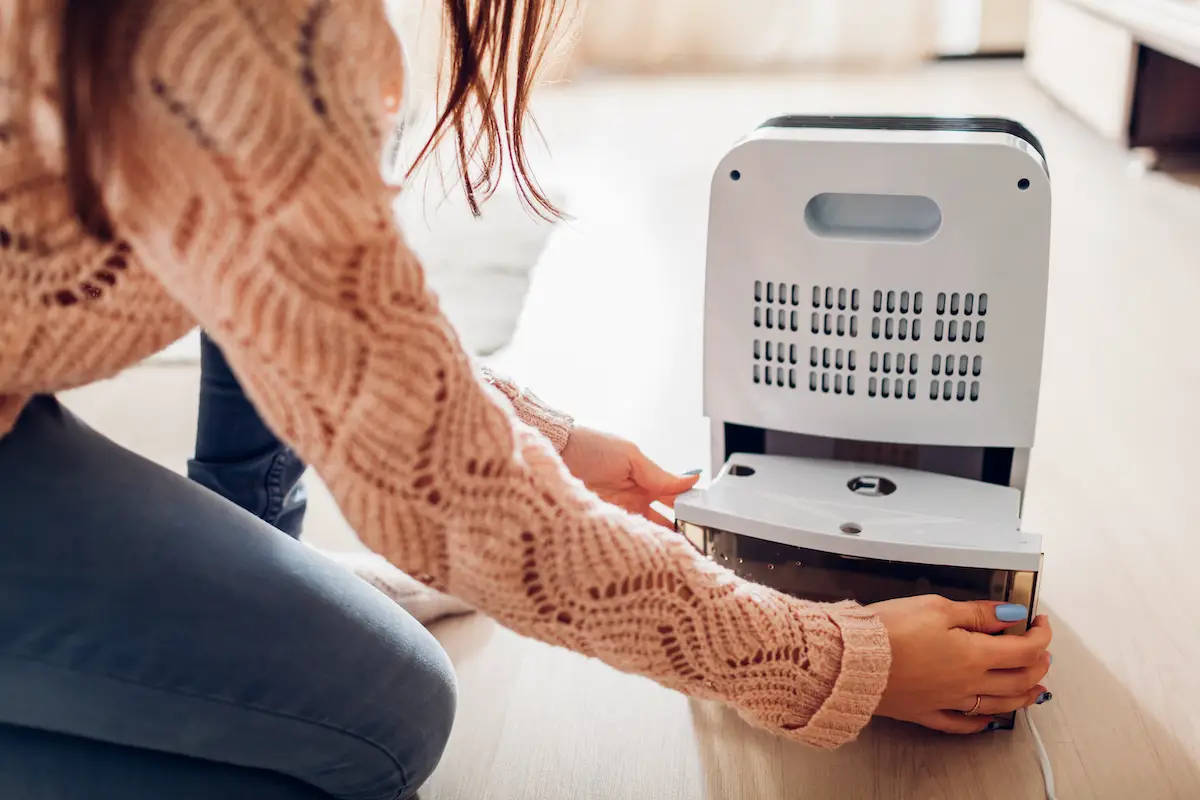
Black Stuff In Your Dehumidifier – Diagnosis, Solution And Prevention
The black substance in or around the water tank of a dehumidifier is black mold, mineral build-up, or dirt. Black mold, the most common cause of black residue in dehumidifiers, can lead to respiratory problems and allergenic reactions in hypersensitive people. Dehumidifiers are great devices for maintaining healthy humidity levels in your home. However, sometimes…
-
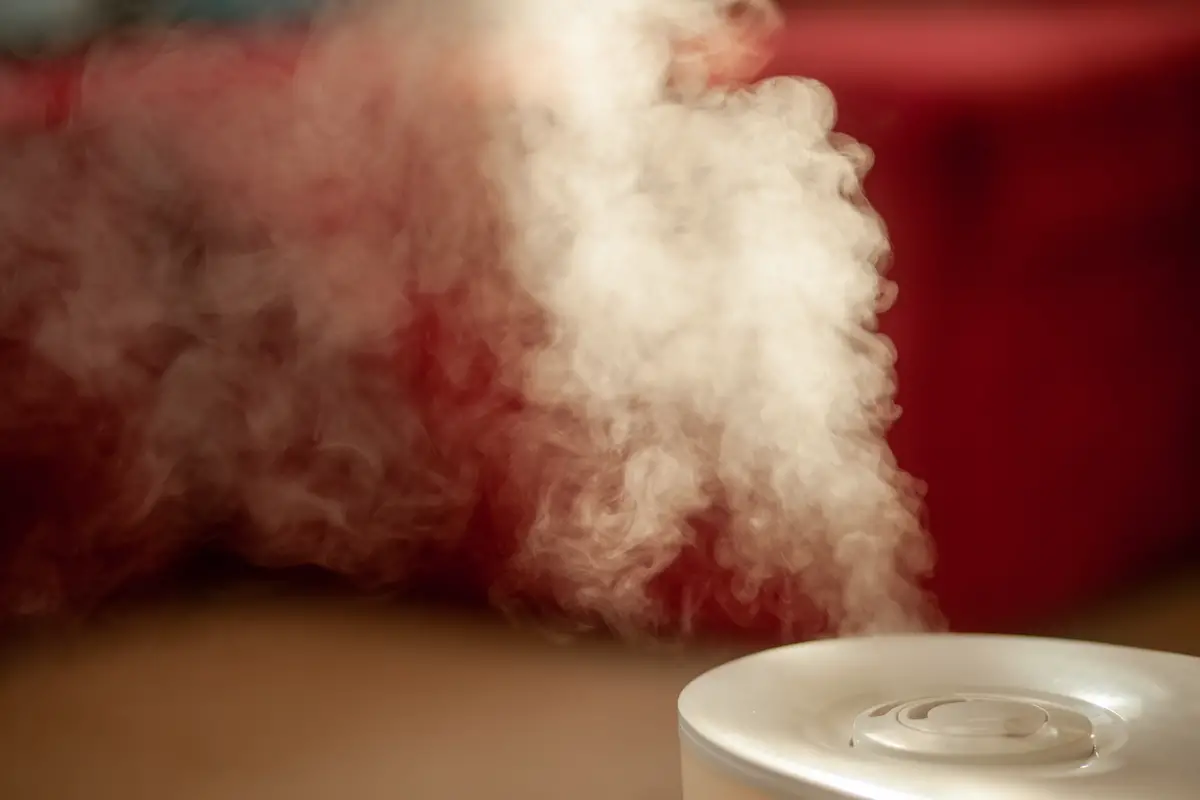
Brown Stuff In Your Humidifier – What Is It And How To Remove It
Humidifiers are great to relieve the symptoms of dry air and the damage caused by central heating or cooling, but sometimes there’s brown sediment in their water tanks. Brown sediment or residue in a humidifier is caused by minerals, mold, and dirt that accumulate inside the unit, and can be released into the air as…
-

9 Reasons Why Your Air Purifier Smells – And How To Fix It
Has your air purifier recently started giving off a new smell? Depending on the smell, it can be normal or mean there’s problem. Either way, it’s important to know what the underlying cause is, and how to fix it. An air purifier usually smells because of a saturated carbon filter, faulty UV light or mold…
-

Pink Stuff In Your Humidifier – What Is It And Is It Harmful?
The pink substance in your humidifier is a bacterial, mold, or fungal growth. The bacteria Serratia marcescens, is the most common cause of pink residue inside humidifiers. The pink mold Aureobasidium pullulans, and the pink fungus Fusarium, can also grow in humidifiers, but these are far less common. Humidifiers can be the best solution for…
-
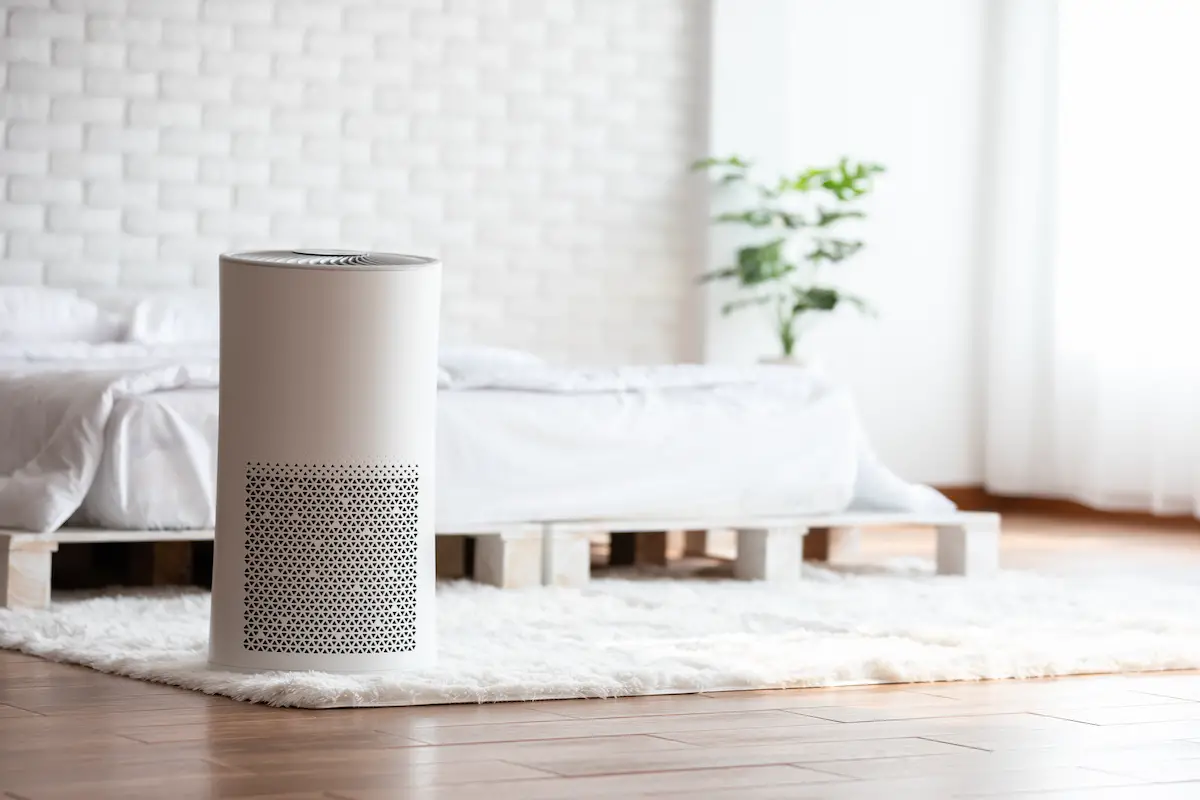
Top 7 Air Purifiers For Eliminating Mold
More than 45 million buildings across the U.S have unhealthy levels of mold. Fortunately, there are some air purifiers that can remove mold spores, fragments, and moldy odors to make the air safer for us to breathe. Air purifiers with medical-grade HEPA filters, high CADRs and UV-C lights are ideal for removing mold. Using an…
-
Black Stuff In Your Humidifier: What Is It And Is It Harmful?
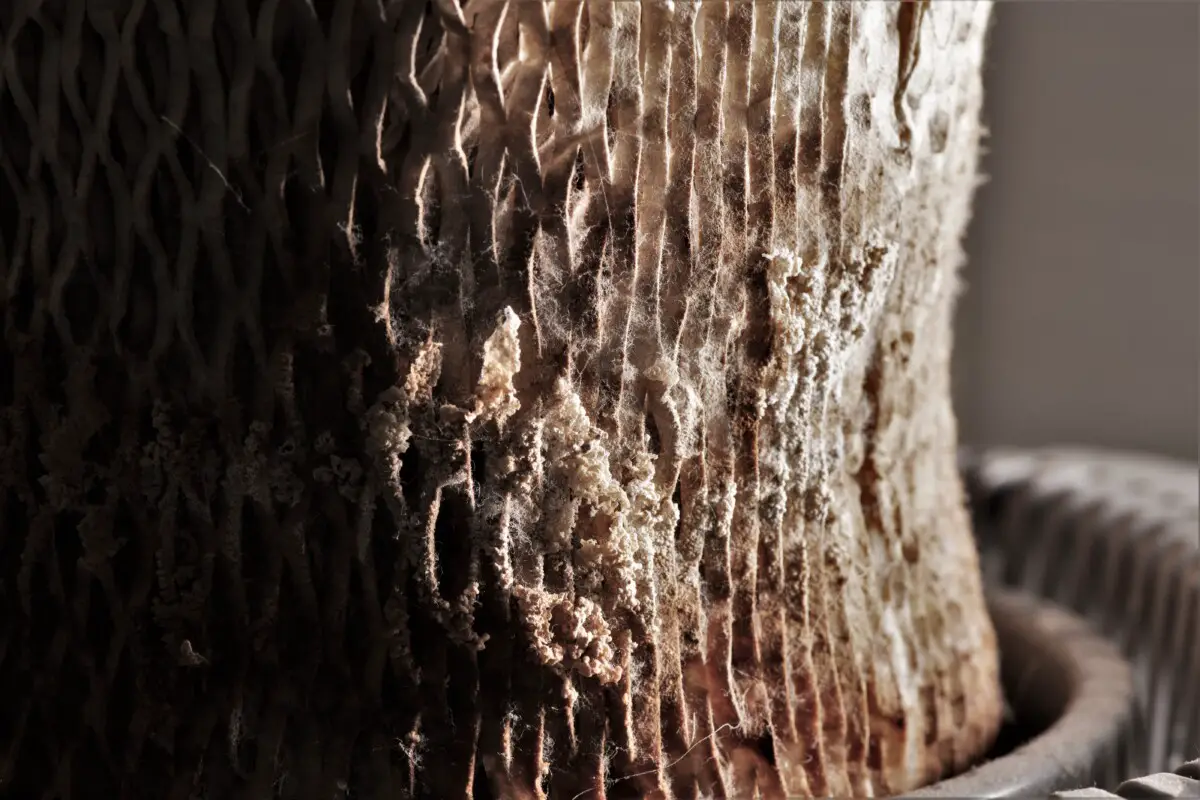
Black residue in or around your humidifier is caused by mold or the build-up of mineral deposits from non-purified or hard water. The humidifier should not be used until the black substance has been removed and the device cleaned, to prevent damage to the unit or a decrease in the indoor air quality. Humidifiers help…
-
Yellow Stuff In Your Humidifier – What Is It and Is It Harmful?
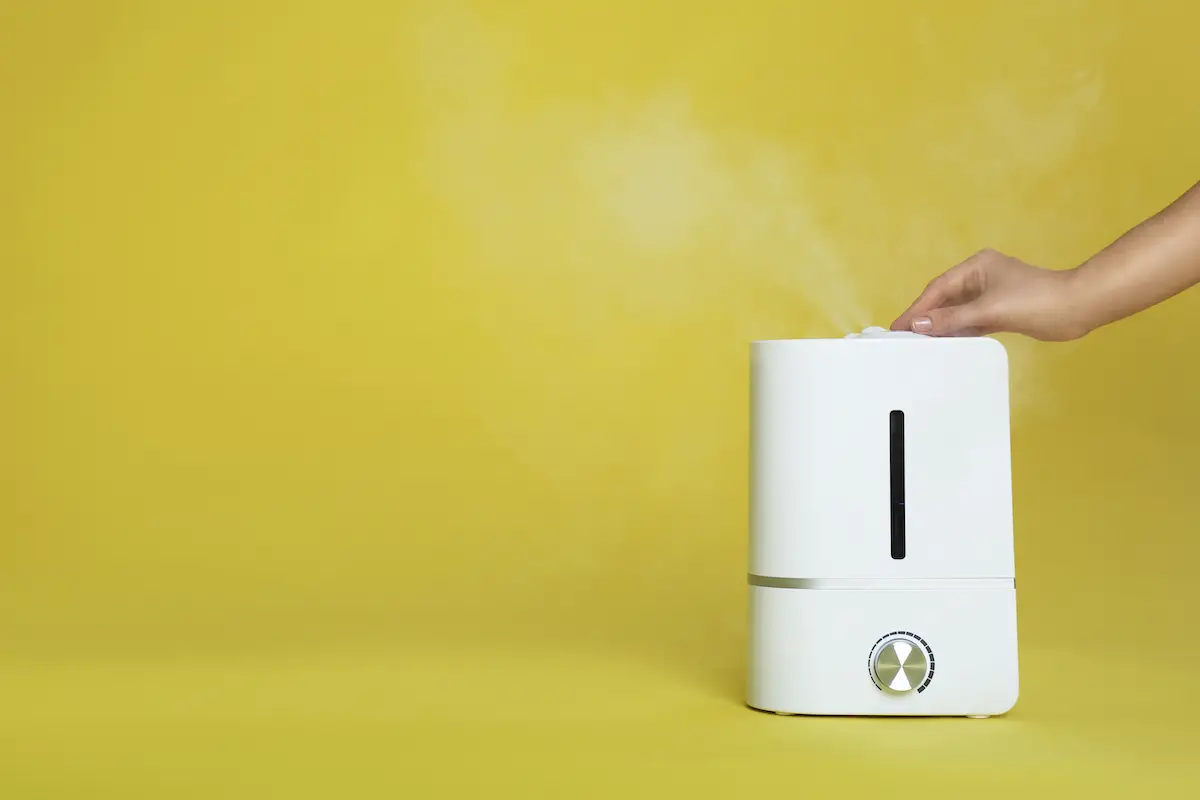
Yellow or orange particles in a humidifier are caused by mold or mineral deposits. Mold, such as Aspergillus flavus, Epicoccum nigrum, or Geomyces pannorum, grow in humidifiers that are not cleaned often enough. Whereas, mineral build-up occurs when tap water (especially hard water) is used instead of distilled or purified water. Many of us use…
-
Medify Air Purifiers That Can Remove Mold
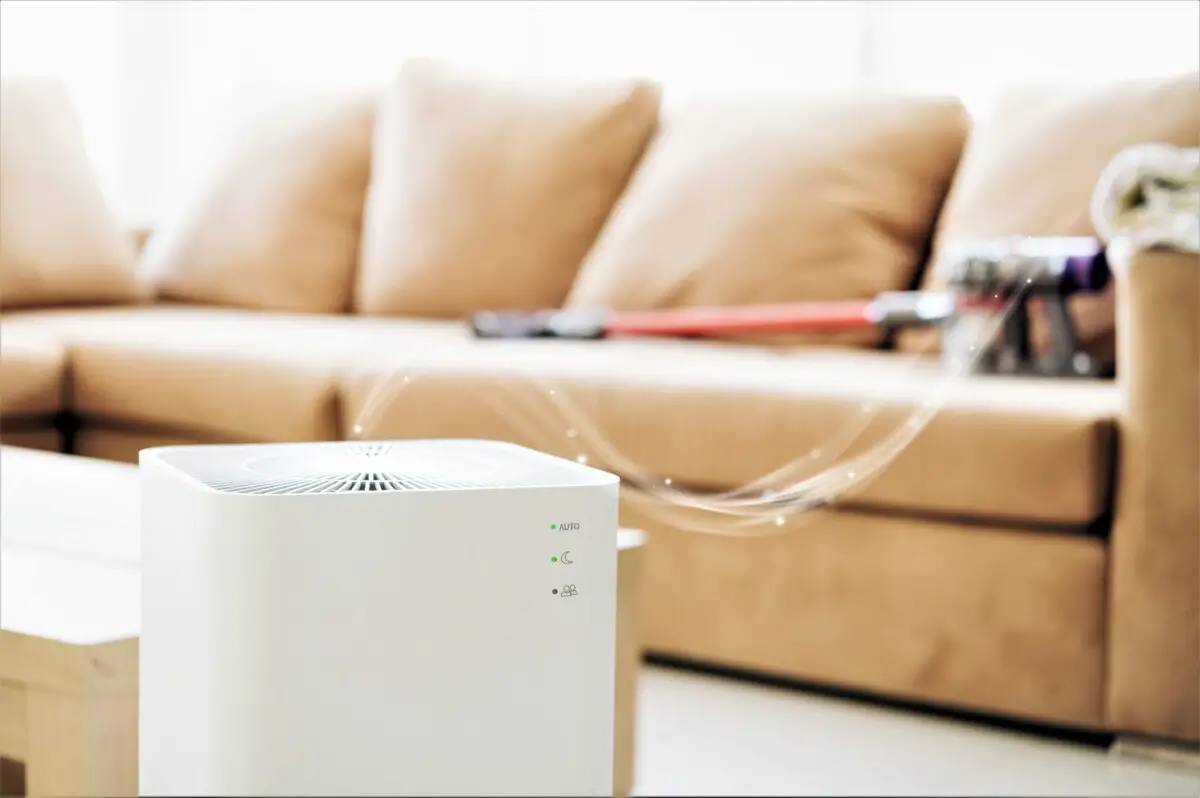
All Medify air purifiers are fitted with H13 HEPA filters that are effective at removing mold and mold spores. The mold infestation will still need to be physically removed by cleaning the surface as the purifier can only remove the airborne mold and spores. While all air purifiers are excellent for dust removal only some…