Recommended
Recent Posts
-
Air Purifiers: Carbon Dioxide And Carbon Monoxide Emissions
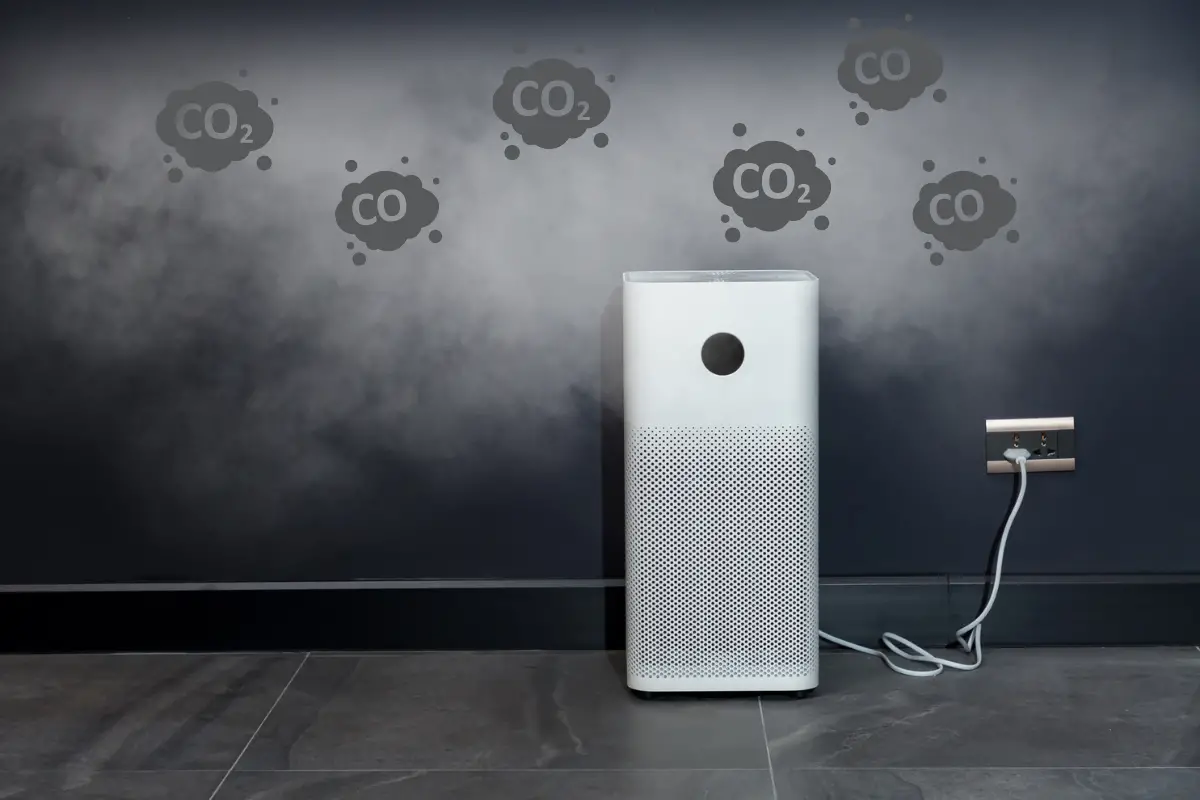
Air purifiers are common household appliances that remove airborne particles, pathogens, and certain gases. But some people think they could be a source of toxic gases like carbon dioxide and carbon monoxide? CO and CO2 are caused by lack of ventilation and incomplete combustion. Therefore, air purifiers cannot produce them. However, air purifiers are also…
-
6 Reasons Why Your Honeywell Air Purifier Fan Isn’t Working
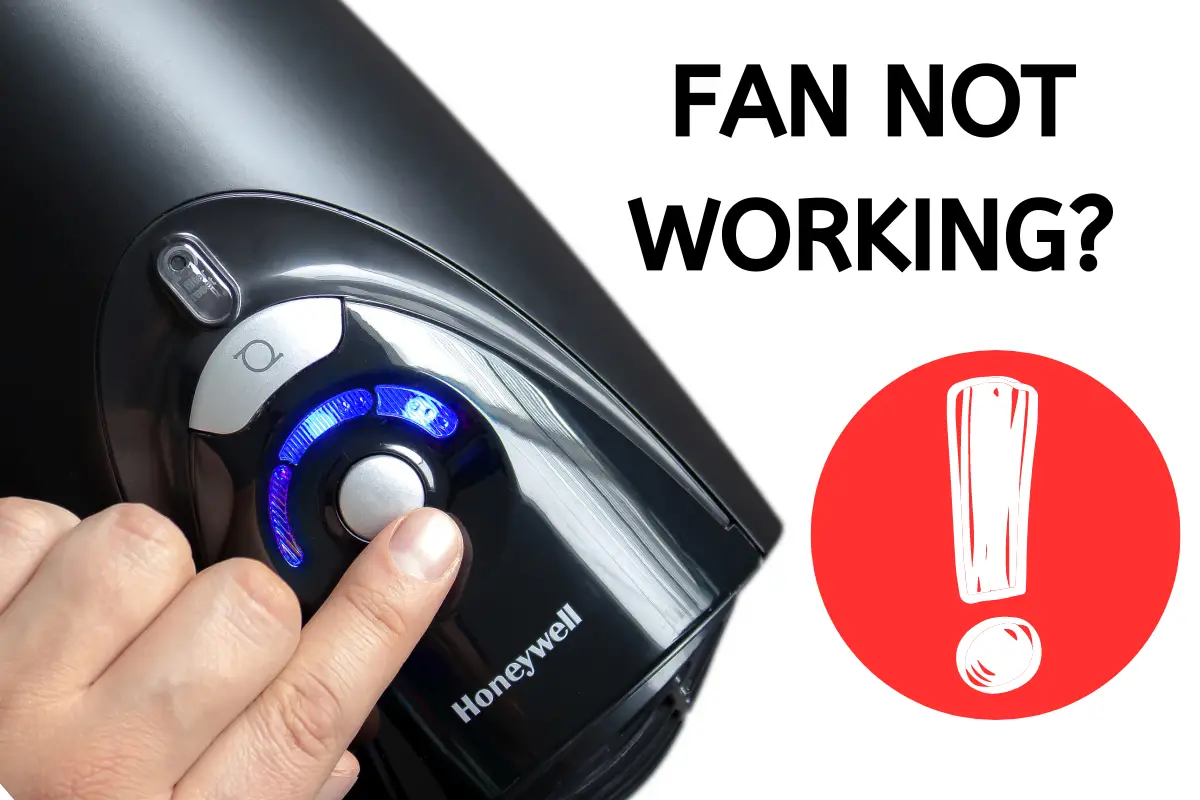
Dust buildup and clogged filters are the most common cause of a Honeywell air purifier fan not working. However, other factors including overheating, a broken fan motor, damaged wiring, or physical damage can also stop the fan from working in Honeywell air purifiers. Honeywell air purifiers use a rotating fan to draw the air into…
-
Air Purifiers That Remove Carbon Dioxide – Plant Power.
Regular air purifiers cannot remove carbon dioxide from the air. However, one air purifier can remove carbon dioxide as it is made from algae and mimics how plants remove carbon dioxide from the air. Carbon dioxide (CO2) is an important part of our planet’s atmosphere, playing a crucial role in the greenhouse effect. But high…
-
Do Air Purifiers Really Dehumidify – All You Need To Know
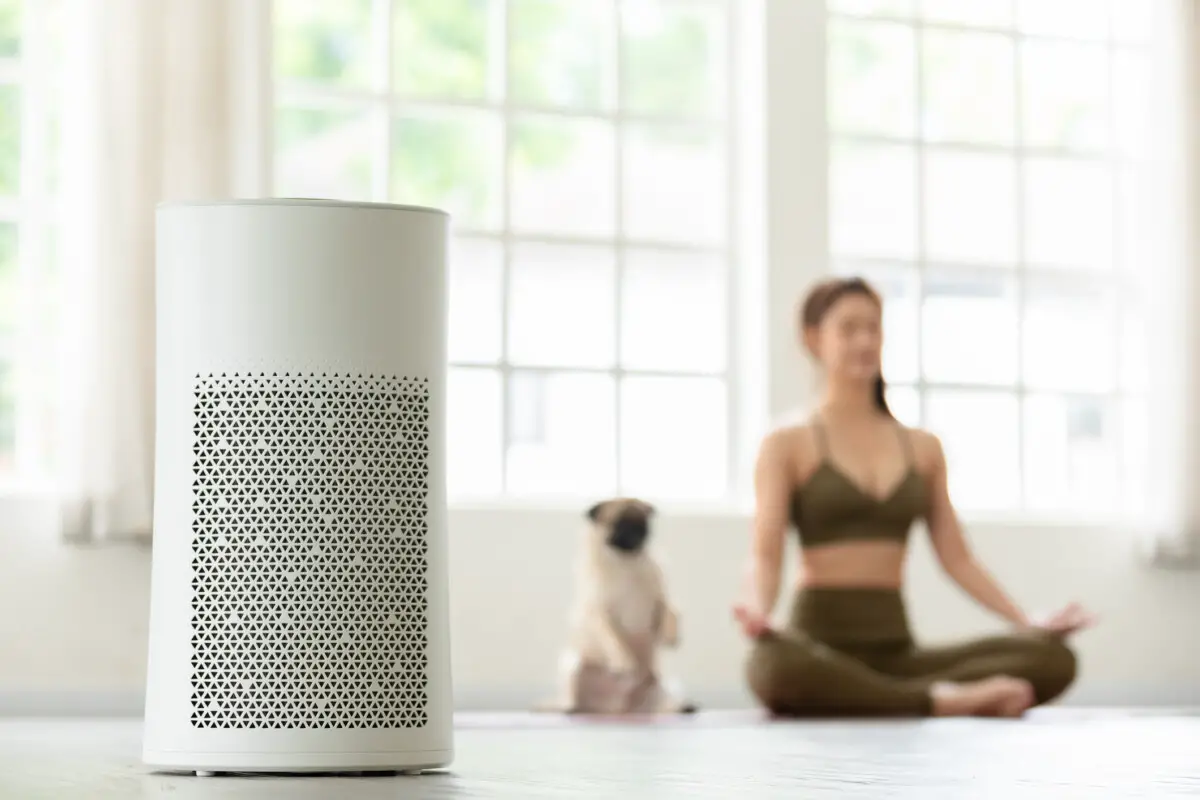
Air purifiers cannot dehumidify the air. Activated charcoal filters are the only filters in air purifiers that can absorb some moisture. However, their effect is not significant and does not alter humidity levels. Air purifiers are effective in trapping airborne contaminants and improving our air quality. Although not a contaminant, water is also in our…
-
How Air Purifiers Affect Plants – Pros And Cons
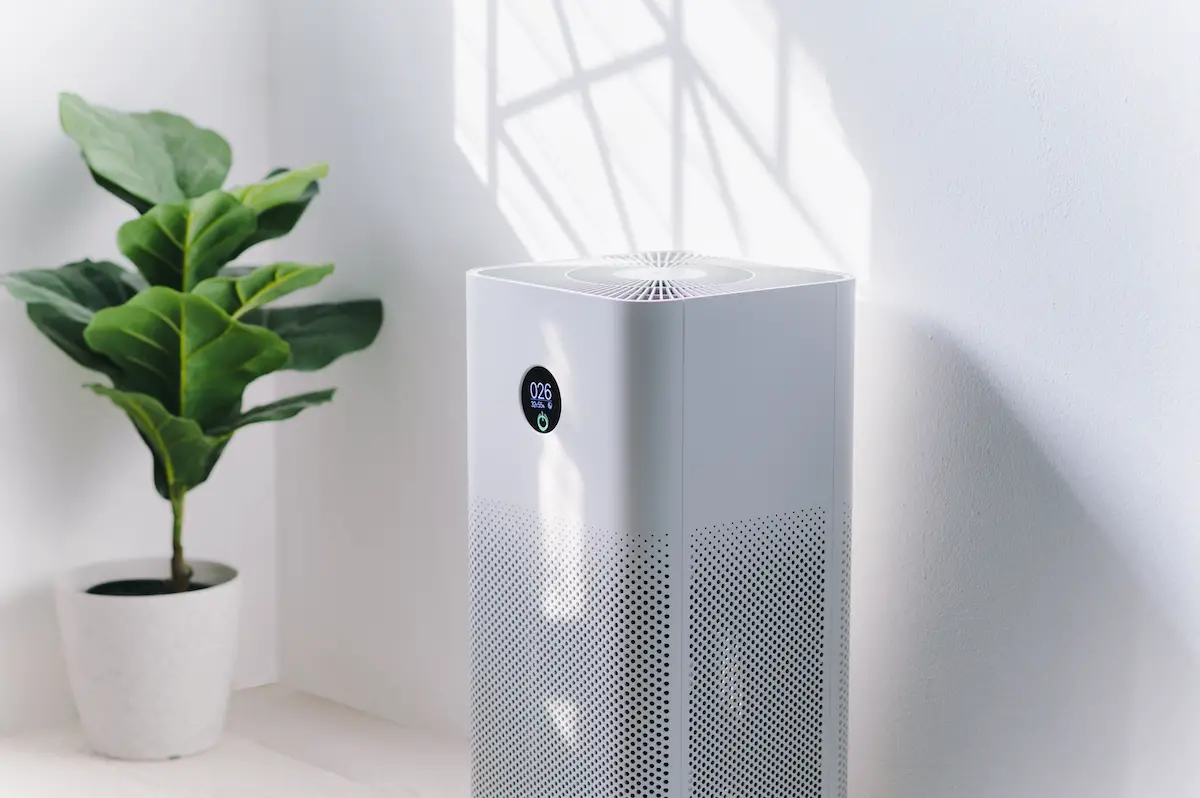
Air purifiers remove airborne contaminants that can harm plants and stunt their growth. However, toxic by-products of some air purifiers (ozone) can negatively affect plants. Purifiers with a pre-, activated carbon and True HEPA filters can reduce harmful contaminants (e.g., dust, smoke) and improve the air quality index (AQI) of a home. Air purifiers are one…
-
How To Reset The Filter Light On Blueair Air Purifiers
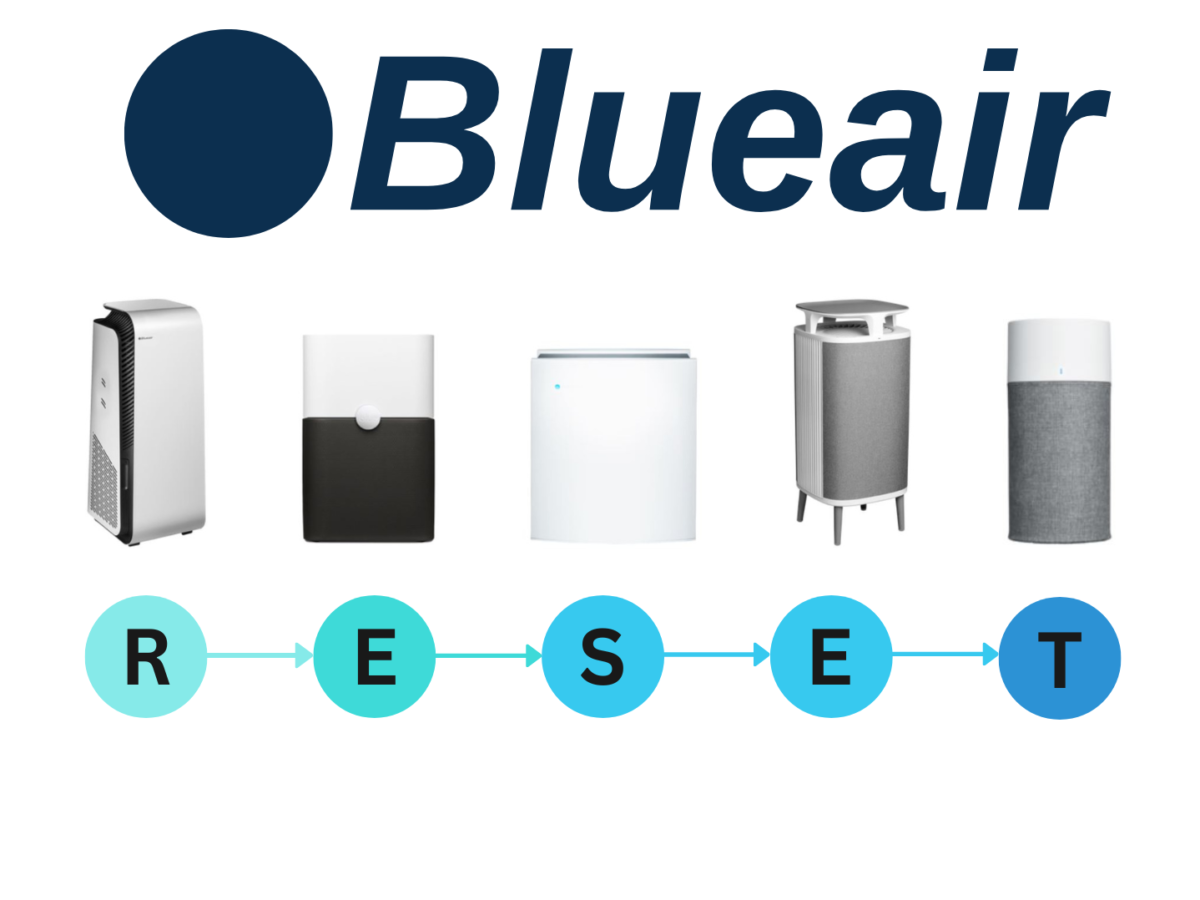
The reset process is different for each Blueair model. After changing the filter, press the filter replacement button (Classic Series), main button (Blue Series), red circle (Sense, Sense+, Pro), or the reset/timer button (E-Series) for 7 to 10 seconds, until the light turns off. To reset a DustMagnet model, press and hold the fan speed button…
-
Adding An Air Purifier To Your HVAC – Benefits And Costs
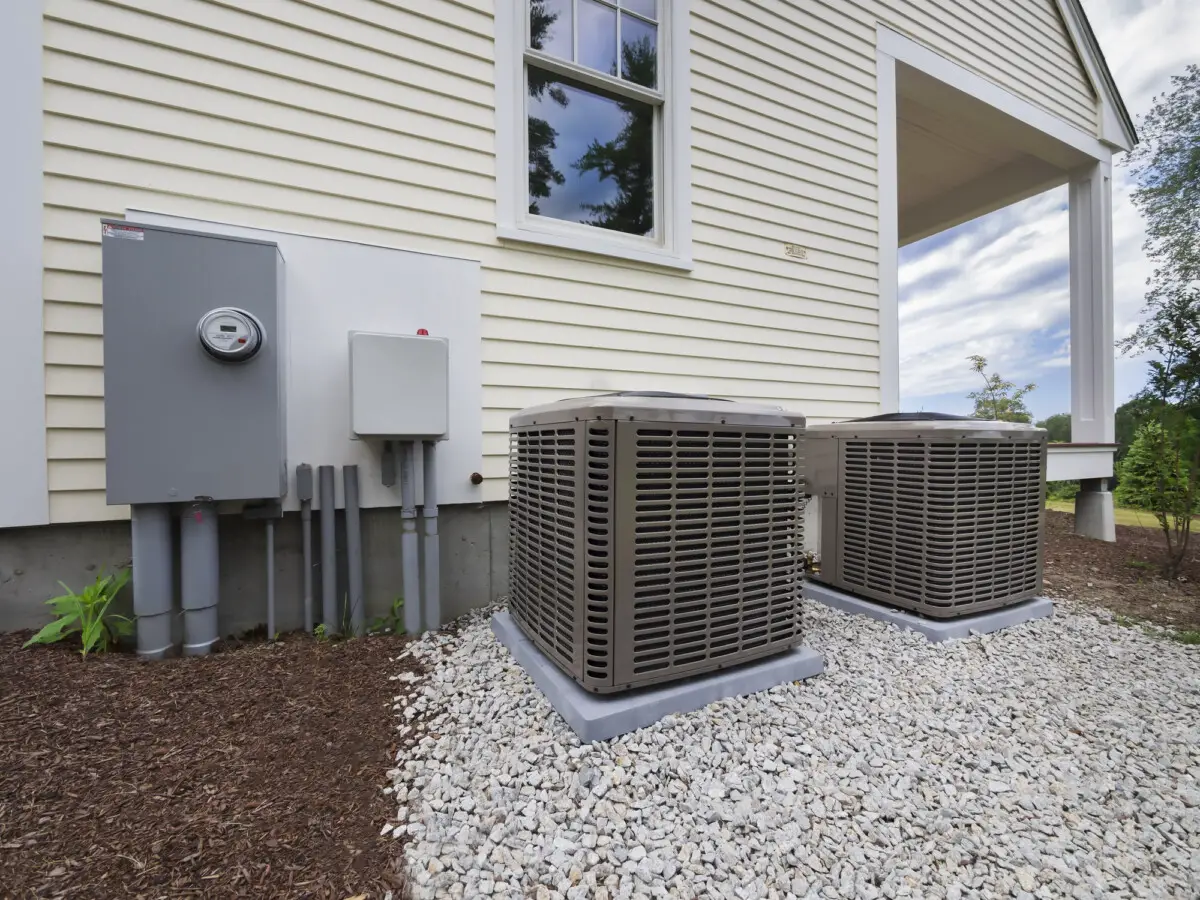
Whole-house air purifiers can be added to an HVAC system by connecting it to the duct network that circulates the air. Adding an air purifier with activated carbon and HEPA filters help prevent contaminants from damaging the HVAC and will prolong its lifespan, while improving the air quality in your home. Around 91% of all…
-
Which Air Purifiers Remove Heavy Metals – Particles And Vapors
As of today, we know about 40 heavy metals. However, five of them, (arsenic, cadmium, chromium, lead, and mercury) are of primary concern due to their high toxicity. They are common air pollutants and can cause various adverse health effects upon exposure and should be removed from the air, ideally with an air purifier. Air…
-
Air Purifiers That Remove Mycotoxins – And Those That Don’t
Mycotoxins are the primary pathogenic element responsible for mold infections. Given that, on average, we have 50,000 mold spores per cubic meter of space, mycotoxins are naturally concentrated in the air. As air purifiers trap airborne contaminants, one might question if they can remove mycotoxins from the air. Air purifiers with activated charcoal, titanium dioxide…