Recent Posts
-
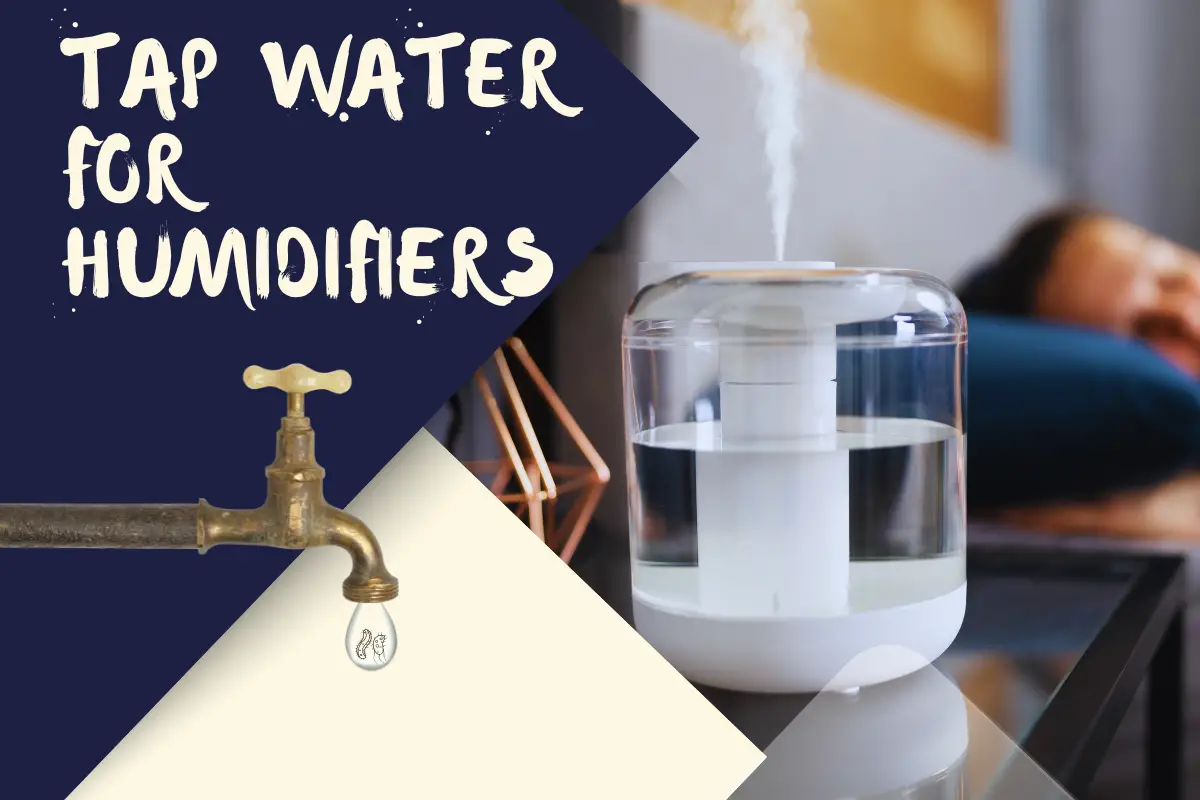
The Do’s and Don’ts of Using Tap Water in Your Humidifier
Tap water can be used in a humidifier, but it may lead to mineral buildup and the dispersal of minerals and potential contaminants into the air. The best alternatives to tap water for humidifiers are distilled or purified water, which help prevent these issues and maintain optimal performance. Imagine this scenario: it’s the middle of…
-
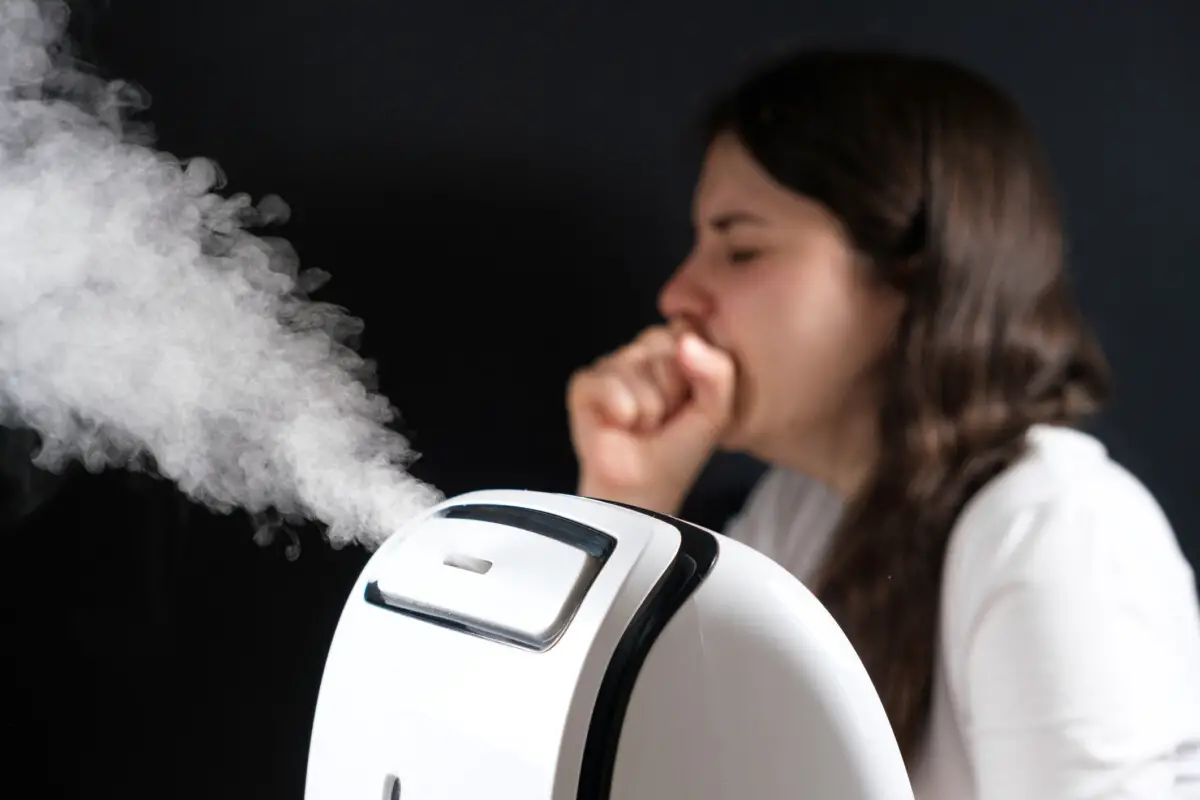
Do Humidifiers Kill Or Spread Germs – All You Need To Know
Humidifiers do not kill germs that are airborne. Poorly maintained cool mist humidifiers can breed and disperse bacteria and mold spores into the air and have been associated with inflammation of the lungs. Conversely, warm mist humidifiers can kill the germs present in the water tank, and do not disperse pollutants. Humidifiers are reliable appliances…
-

How Furnace Filters Help With Allergies – Removing Triggers
Furnaces with generic filters are largely ineffective at reducing airborne allergens. However, furnace air filters that are HEPA, pleated polyester, carbon, fiberglass or those with MERV rating >11 can remove common allergens, such as dust and pet dander, and may help with allergies. Furnaces are an everyday appliance in cold areas and most modern ones…
-
Can Humidifiers Make You Sick – Infections And Pneumonitis
Around 45 million American use a humidifier to increase the moisture content in the air. Humidifiers are particularly essential in the wintertime, or in dry climates, for a comfortable environment. But do they have any adverse effects on health? Humidifiers can lead to health conditions, including microbial infections, sinus congestion, and humidifier lung by breeding…
-

6 Ways Humidifiers Breed Bacteria – And How To Prevent It
Humidifiers are essential to prevent an uncomfortable, dry environment. However, given their inflow of polluted air and use of an internal water reservoir, it is natural to question if they can potentially breed bacteria. Humidifiers that are irregularly cleaned, poorly maintained, or contain standing water for more than 2 days, can breed bacteria. Clogged or…
-
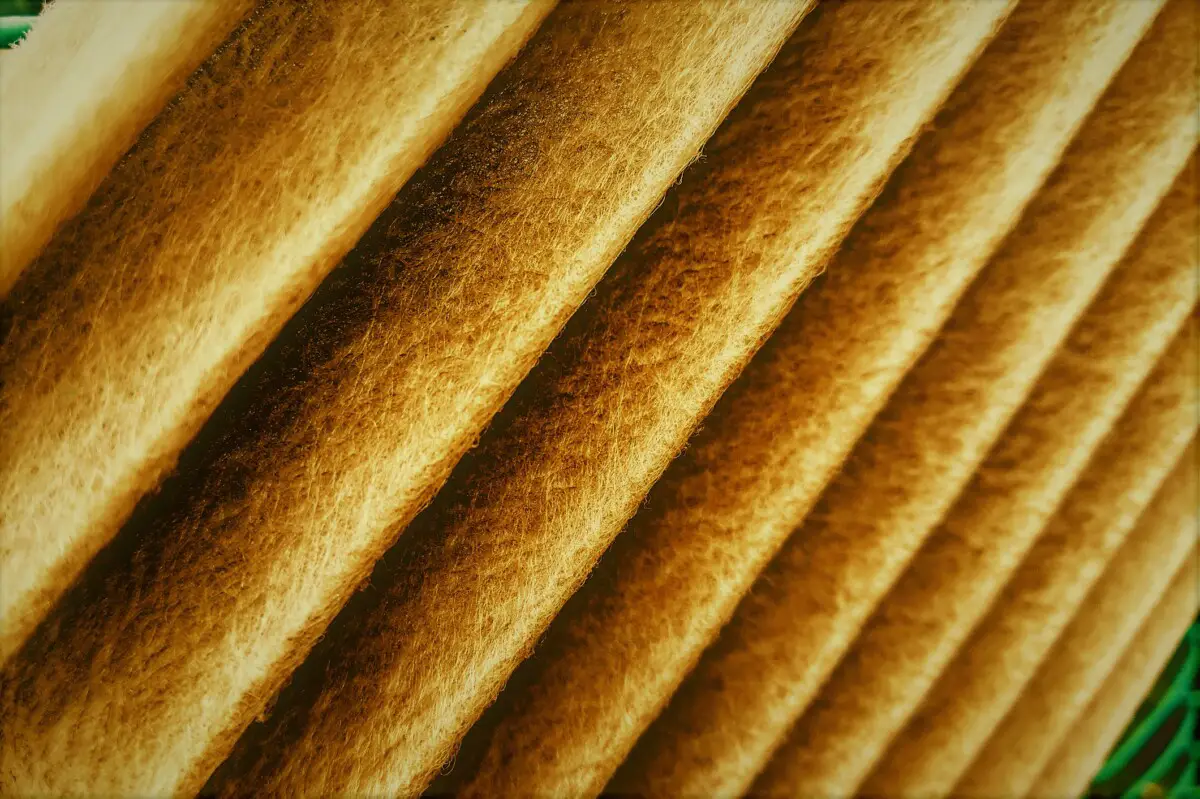
Yellow AC Filter – What Is It And How To Fix It
Across the United States, nearly 250 million people rely on air conditioning systems. However, when our AC or HVAC filter turns yellow, it’s time to switch off the system. An air conditioner (AC) or HVAC filter usually turns yellow because of yellow mold growths. But the type of air filter (e.g., Colorfil or MERV 13)…
-

Reasons Why Your Humidifier Smells – And How To Fix It
Humidifiers are a great way to maintain ideal humidity levels in the home or office. However, they can start emitting strange smells that require maintenance or cleaning to resolve. A humidifier can start smelling like urine, plastic, wet dog, chlorine, fish, mildew, sulfur or burning. The reasons for a humidifier producing strange odors include dirt,…
-

Do Air Purifiers Remove Bacteria – HEPA, UV, Ozone And Ionizers
Airborne bacteria are a major concern for most of us, for both health and economic reasons (especially if we end up needing time off work). Unfortunately, only certain types of air purifiers can reduce the amount of bacteria in our homes. Air purifiers that use ozone generation can kill bacteria, while those that emit UV…
-
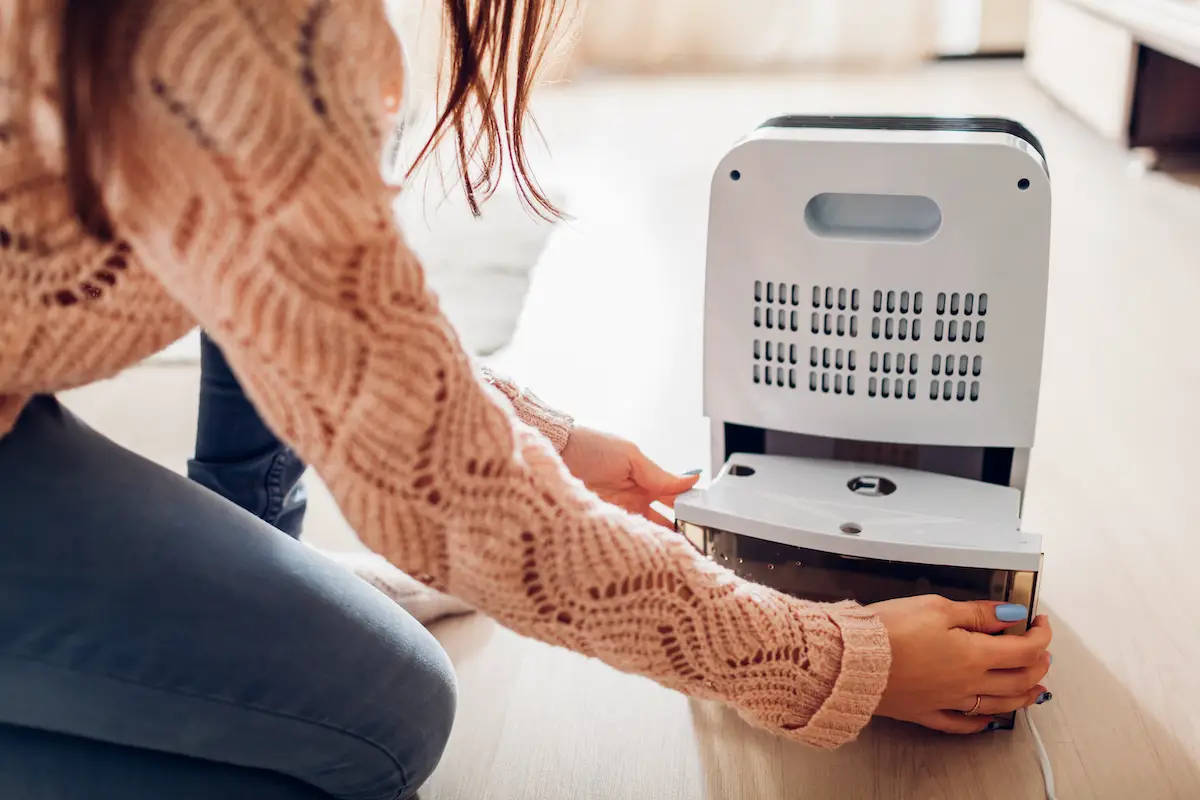
Black Stuff In Your Dehumidifier – Diagnosis, Solution And Prevention
The black substance in or around the water tank of a dehumidifier is black mold, mineral build-up, or dirt. Black mold, the most common cause of black residue in dehumidifiers, can lead to respiratory problems and allergenic reactions in hypersensitive people. Dehumidifiers are great devices for maintaining healthy humidity levels in your home. However, sometimes…
-
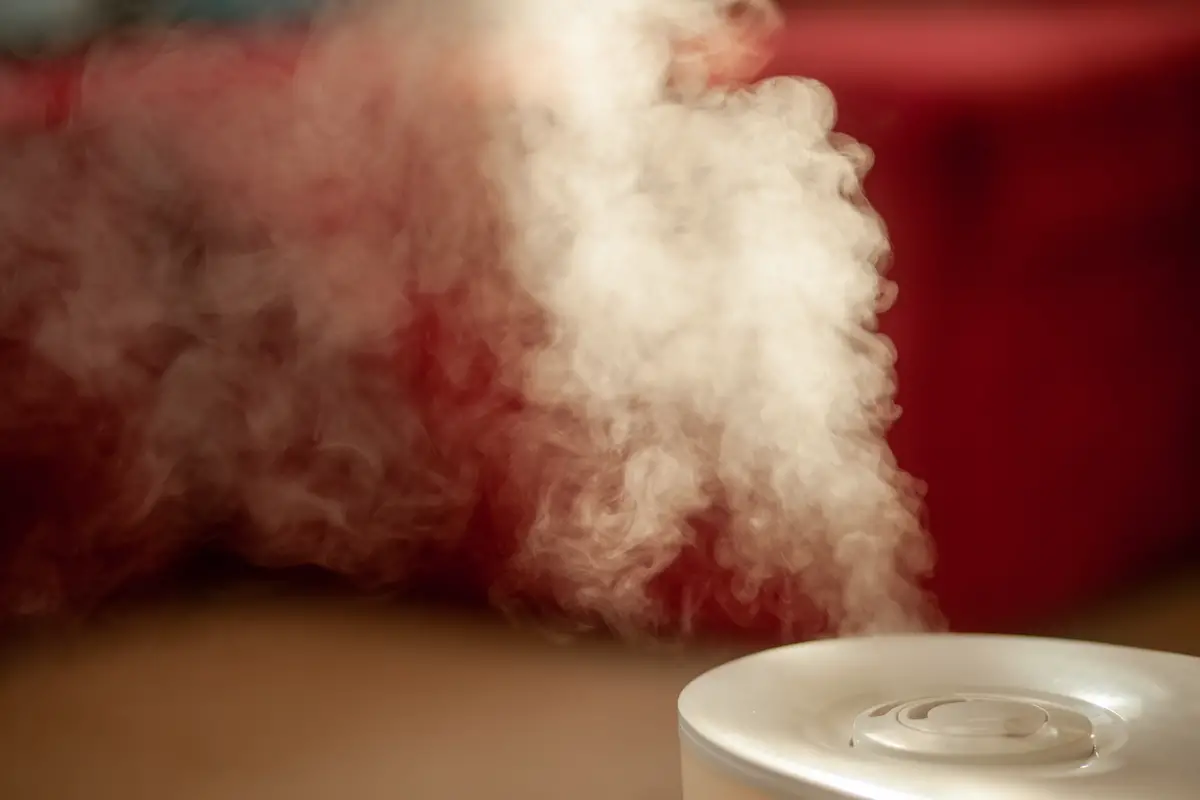
Brown Stuff In Your Humidifier – What Is It And How To Remove It
Humidifiers are great to relieve the symptoms of dry air and the damage caused by central heating or cooling, but sometimes there’s brown sediment in their water tanks. Brown sediment or residue in a humidifier is caused by minerals, mold, and dirt that accumulate inside the unit, and can be released into the air as…
-

9 Reasons Why Your Air Purifier Smells – And How To Fix It
Has your air purifier recently started giving off a new smell? Depending on the smell, it can be normal or mean there’s problem. Either way, it’s important to know what the underlying cause is, and how to fix it. An air purifier usually smells because of a saturated carbon filter, faulty UV light or mold…
-
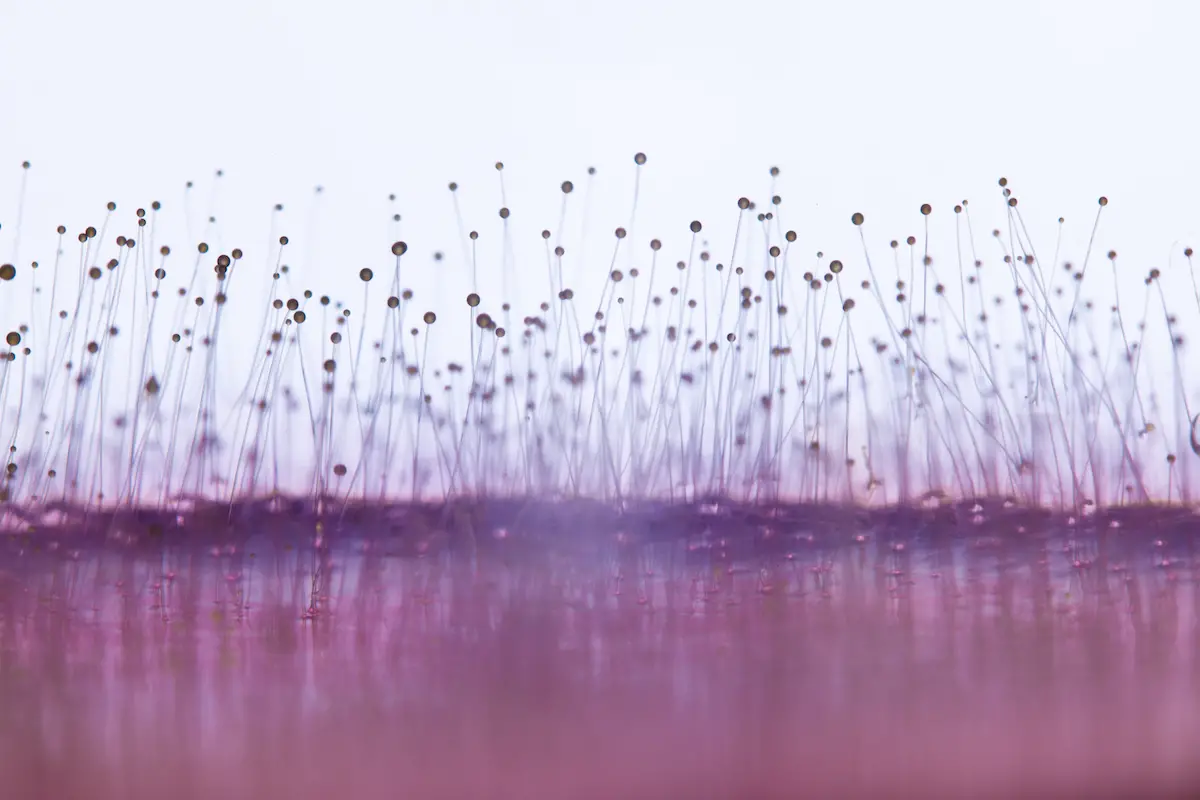
Pink Stuff In Your Humidifier – What Is It And Is It Harmful?
The pink substance in your humidifier is a bacterial, mold, or fungal growth. The bacteria Serratia marcescens, is the most common cause of pink residue inside humidifiers. The pink mold Aureobasidium pullulans, and the pink fungus Fusarium, can also grow in humidifiers, but these are far less common. Humidifiers can be the best solution for…