
Humidifiers are useful appliances that disperse water into the air and make it more humid. Nearly 10 million people in the US buy humidifiers every year, usually to prevent dry skin, chapped lips, or even nosebleeds. While humidifiers certainly offer these benefits, they may also attract insects and other pests.
Operating a humidifier can attract certain bugs into your home. The exact bugs will depend on the level of relative humidity in your humidifier and the bugs that are generally found in your area, but you can expect to see cockroaches, ticks, silverfish, dust mites, mosquitoes and moisture ants if the relative humidity in your room is higher than recommended (>50 %).
In this post, we go into the details of why and when a humidifier might attract these bugs. We also discuss what you can do to possibly prevent these bugs from coming into your home and share some other useful information about the proper use and maintenance of a humidifier. Let’s get started.
How does a humidifier attract insects?
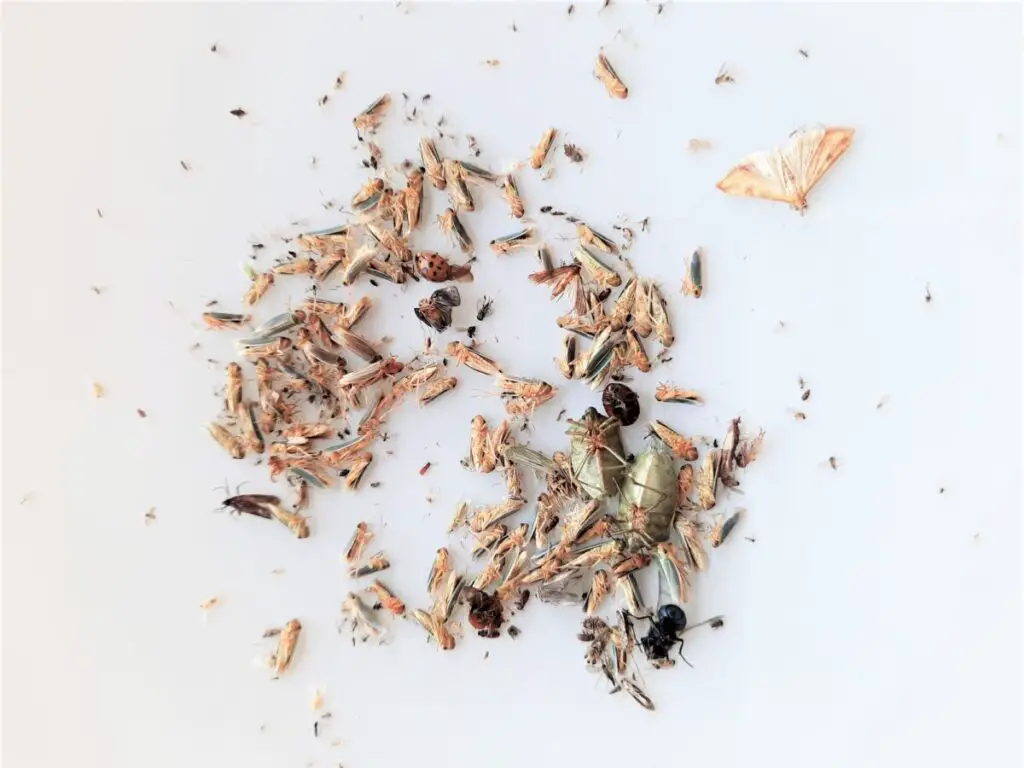
Unlike humans, almost all bugs prefer to have a humid environment to live in. This is simply because they need water to survive and to reproduce, and often, a big source of moisture for them is the water present in the air around them.
Most insects are attracted to moisture. Humidifiers can attract bugs by increasing the moisture content of your room.
For example, spiders need enough moisture to weave silk and make webs, using which they capture their prey.
Some insects like cockroaches even have a moisture sensing organ called a ‘hygroreceptor’ which can automatically detect where the moisture is high. This is usually why you will find cockroaches hiding in damp cabinets, kitchens or bathrooms where the humidity is usually higher than in the rest of your house.
The United States Environmental Protection Agency (EPA) therefore recommends maintaining a humidity level of 30% to 50% for optimal health and well being. If your humidifier increases the humidity beyond this level, you can expect to see an increase in both the growth of molds and in the amount of various bugs in your room.
This will be even worse if the humidity levels exceed 70%, which will not only invite unwanted insects into your home but also feel uncomfortable and even suffocating to some people.
However, one needs to note that having a humidifier alone will not increase the number of bugs in your home. It is when you exceed the recommended levels that the problem may begin.
What insects does a humidifier usually attract?
The exact insects you will see in your house depends on the general insect population in your area and on how high the humidifier setting has been set. In general, however, most U.S. homeowners can expect to see an increase in the following insects:
- Cockroaches: As we mentioned earlier, roaches have unique moisture sensors that attract them to moist places, like kitchen cabinets or bathrooms. In addition to looking nasty, these critters are also capable of spreading diseases (especially bacterial pathogens).
- Ticks: While it is not likely that you will encounter ticks only because your room is humid, it may become a problem if you have pets, or if there is a lot of greenery in your room. Ticks can transfer dangerous conditions like Lyme Disease as well, which is why it is important to recognize and get rid of them as soon as you can.
- Pill bugs: Unlike the previous two, Pill bugs are relatively harmless crustaceans. They do not bite or damage property, but are more of a nuisance more than anything.
- Moisture Ants: Moisture ants are a special type of ant that prefer to live in warm and humid places, and need a large amount of water to survive. They are notorious for destroying wood, especially if it is damp from your humidifier.
- Silverfish: Despite being called a ‘fish’, these insects are actually found in damp places, like in your bookshelves or dark cabinets. They don’t harm you directly, but can trigger allergies and sometimes destroy property.
- Mosquitoes: Perhaps the biggest nuisance that a humidifier can invite into your home are mosquitoes. Not only are they annoying but can spread dangerous diseases, such as dengue and zika, as well.
- Spiders: While not all species of spiders thrive in humid conditions, having high humidity levels can certainly increase the number of spiders in your home.
- Millipedes: Millipedes prefer relatively warmer conditions. High humidity helps trap heat, thereby attracting millipedes, especially in winter.
- Slugs: It is uncommon to have slugs come inside your home under normal conditions. However, if you have a lot of indoor plants and have high humidity at the same time, it is possible to see slugs inside your room as well.
What happens if there are bugs in my room?
Many bugs are actually harmless. Often, you may not even notice these bugs in your room. Sometimes, however, these bugs can create a lot of problems, including:
- Spread Diseases
This is the most dreaded harm that bugs can cause. Many of them do not cause diseases of their own, but act as ‘vectors’ for pathogens.
For example, mosquitoes carry the organisms to cause West Nile and Zika virus, whereas Ticks can transmit Lyme Disease.
- Create and Trigger Allergies
Even when bugs do not carry specific pathogens, their feces can trigger allergic reactions.
A good example of this is dust mites, which thrive in humidity and often trigger allergies.
This can affect anyone, but those with asthma or other known allergic conditions need to be extra careful.
- Destroy Property
Many insects survive by eating wood, and since many homes in the U.S. have wooden structures, the damage these pests can cause your home is significant. In fact, US homeowners collectively lose up to 5 billion dollars every year due to termites alone!
- General Nuisance and Irritation
Let’s face it, even if these bugs did not cause any significant harm, we still do not want to have little critters roaming and buzzing in our homes.
How to keep bugs out of your home?
With all this background covered, how exactly do you keep these bugs out of your home, especially when using a humidifier?
While there is no full-proof way to do this, it helps if you keep your home clean, monitor the humidity levels, regularly clean the humidifier, use bug sprays, seal any openings through which the bugs may enter, and simply keep the windows closed when not needed.
Here is a list of the things you could do:
- Monitor the Humidity levels
Several modern humidifiers come with a humidity sensor of their own. Most bugs prefer humidity levels higher than 50-60%, so a good idea is to make sure the humidity stays in the range of 30% to 50%.
- Update the Seals in your Home
Most bugs enter your home through tiny cracks and holes, especially around doors and windows. It is helpful to regularly check for these cracks. Always ensure that these seals are tight and do not let anything in or out of your home (although this can be extremely difficult).
- Keep your home clean
Bugs are attracted to humidity, but they are just as (if not more) attracted to dust and dirt. We thus recommend mopping the floors regularly and frequent vacuuming to get rid of any dust build-up.
- Take the trash out regularly
In the same line of keeping your home clean, it is always important to take the trash out regularly. It is especially true for organic or kitchen waste, which can attract all sorts of bugs ranging from flies to beetles.
- Use Bug Sprays
Now we do not recommend regular use of bug sprays for health and environment related regions, but when the number of bugs in your home is too high and nothing seems to be working, a good surface bug spray might give you some much needed peace.
Also consider hiring professionals, however, if simple sprays do not seem to work.
- Use the humidifier sparingly
The air in your room will likely not stay dry throughout the day. There will be times when the humidity will be naturally high, and using your humidifier won’t be necessary. It is thus a good idea to be mindful of when the humidity levels are low in your room so that you can turn your humidifier on, and when the room air is fine without the humidifier. This helps keep the humidity (and the bugs) in check.
- Clean around the outside of your home
The biggest source of bugs in your home is the area immediately around it. Bugs often hide in dirt, trash, or foliage before they enter your home. Having a clean, well-maintained lawn can help reduce the bugs.
- Clean your humidifier regularly
The water in your humidifier is stagnant, and therefore can act as a breeding ground for mold, bacteria or even some insects. You should always make sure your humidifier itself is clean and well maintained.
Can a dehumidifier keep bugs away?
By reducing the moisture content of your room, a dehumidifier can help reduce the number of certain bugs from your room.
Some of the insects that thrive with humidity are:
- Cockroaches
- Pill bugs
- Silverfish
- Ticks
- Moisture Ants
- Mosquitoes
When you use a dehumidifier, the relative humidity of your room will decrease. Since these bugs require a certain level of moisture in the air to survive, you may gradually start to notice that these bugs have decreased if you reduce the relative humidity below 50%.
However, for the dehumidifier to work properly, you must make sure the size, positioning and the power of your dehumidifier is adequate. Went operated correctly a dehumidifier can make a big difference, especially in the summer months, or in permanently damp places, such as basements.
It’s important to remember if you have a bigger, more serious bug problem in your home (like termite infestation) then using a dehumidifier alone is not sufficient to fix it.
If that is the case, we recommend reading the previous section of our article to find out how you can reduce the number of bugs and pests in your home. You may even have to seek profession exterminators.
What are these tiny bugs on my humidifier?
Springtails are the most common type of insect to occupy humidifiers. These tiny bugs are usually very small (1/8th of an inch) and can be brown, black, white or even iridescent. They cannot fly, but they can jump many times the length of their own body.
While it isn’t normal to have bugs in your humidifier tank, sometimes, you may find these tiny bugs floating or swimming in the water.
If there are springtails in your humidifier, it is likely that they are also present in other moist places in your house, like damp basements or leaks from plumbing.
How to get rid of the tiny bugs on my humidifier?
Deep cleaning a humidifier and all of the components, including any drain hose or pump, can remove the insects found inside humidifiers. These Springtail bugs are attracted to moisture, maintaining the relative humidity between 30 and 50% and regularly cleaning the humidifier will help prevent the tiny bugs from entering your humidifier.
The exact way to do a deep clean depends on the specific brand of humidifier, but simply emptying the tank, wiping it clean with a vinegar solution, rinsing and then refilling it should normally do the trick.